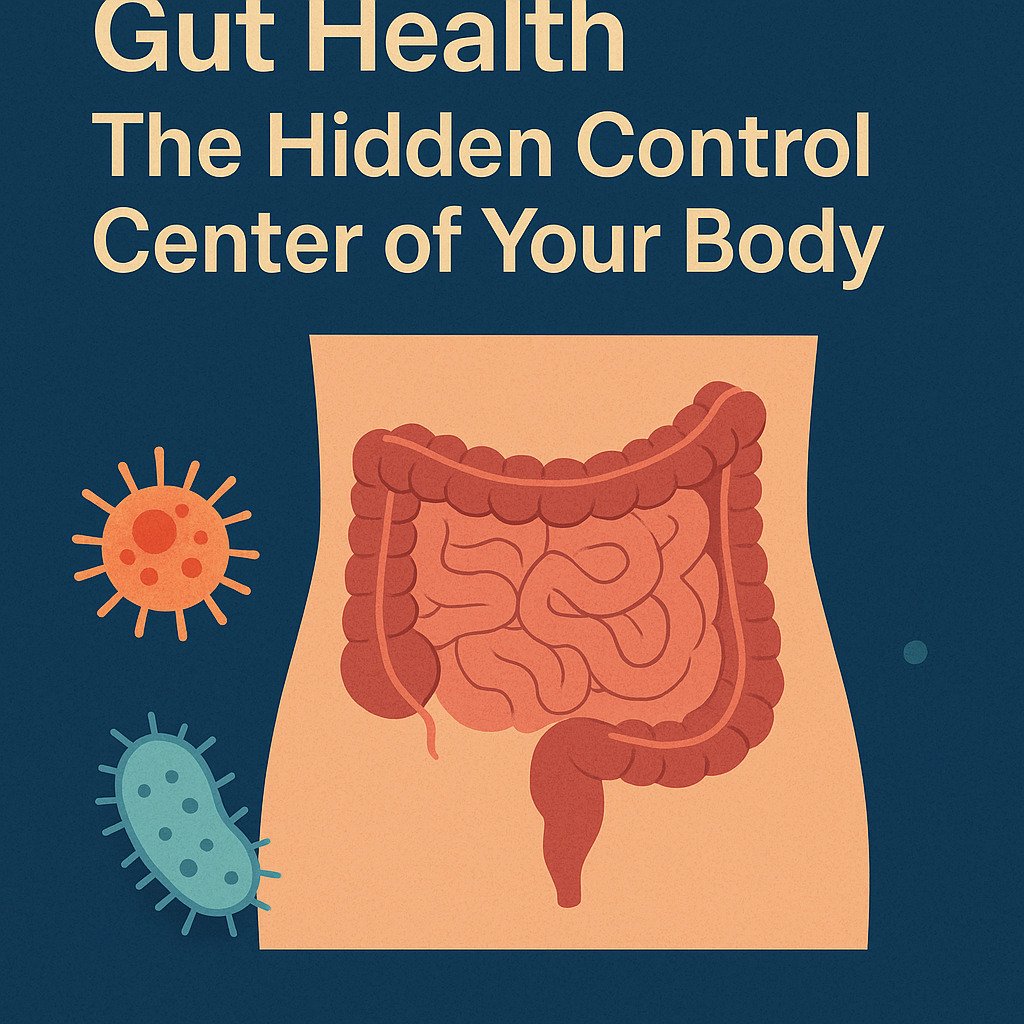
The Science Behind Your Second Brain

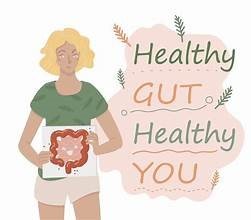
Most of us grew up believing that the gut was just a food-processing machine—nothing more, nothing less. But modern science paints a different picture. Your gut is not just a digestive organ; it is a command center influencing immunity, mental well-being, energy levels, and long-term health. This post uncovers the surprising power of the gut and why nurturing it may be the smartest health decision you make.

In school, we learned basic digestion—food goes in, nutrients get absorbed, waste goes out. Simple.
But what we were not taught is that the gut is home to trillions of organisms, communicates with the brain, produces hormones, trains immunity, and even affects mood. It is an ecosystem, a control tower, and

Most of us grew up believing that the gut was merely a food-processing machine—nothing more, nothing less. Food goes in, nutrients get absorbed, waste comes out. Simple.

But modern science tells a far more fascinating story.

Your gut is not just a digestive organ; it is a sophisticated internal ecosystem that influences immunity, mental well-being, energy levels, metabolism, and long-term health. Often referred to as the body’s “second brain,” the gut constantly communicates with the brain, produces essential hormones and neurotransmitters, and plays a critical role in maintaining overall wellness.

What we were never really taught in school is that the human gut houses trillions of microorganisms collectively known as the gut microbiome. These microscopic residents help digest food, regulate inflammation, support immunity, and may even shape mood, behavior, and emotional balance.

In many ways, the gut functions simultaneously as:

  • an ecosystem,
  • a biochemical laboratory,
  • an immune training center,
  • and a communication hub linking body and mind.

This article explores the remarkable science behind gut health, why it matters far beyond digestion, and how nurturing your gut may be one of the smartest investments you can make for lifelong health and vitality.

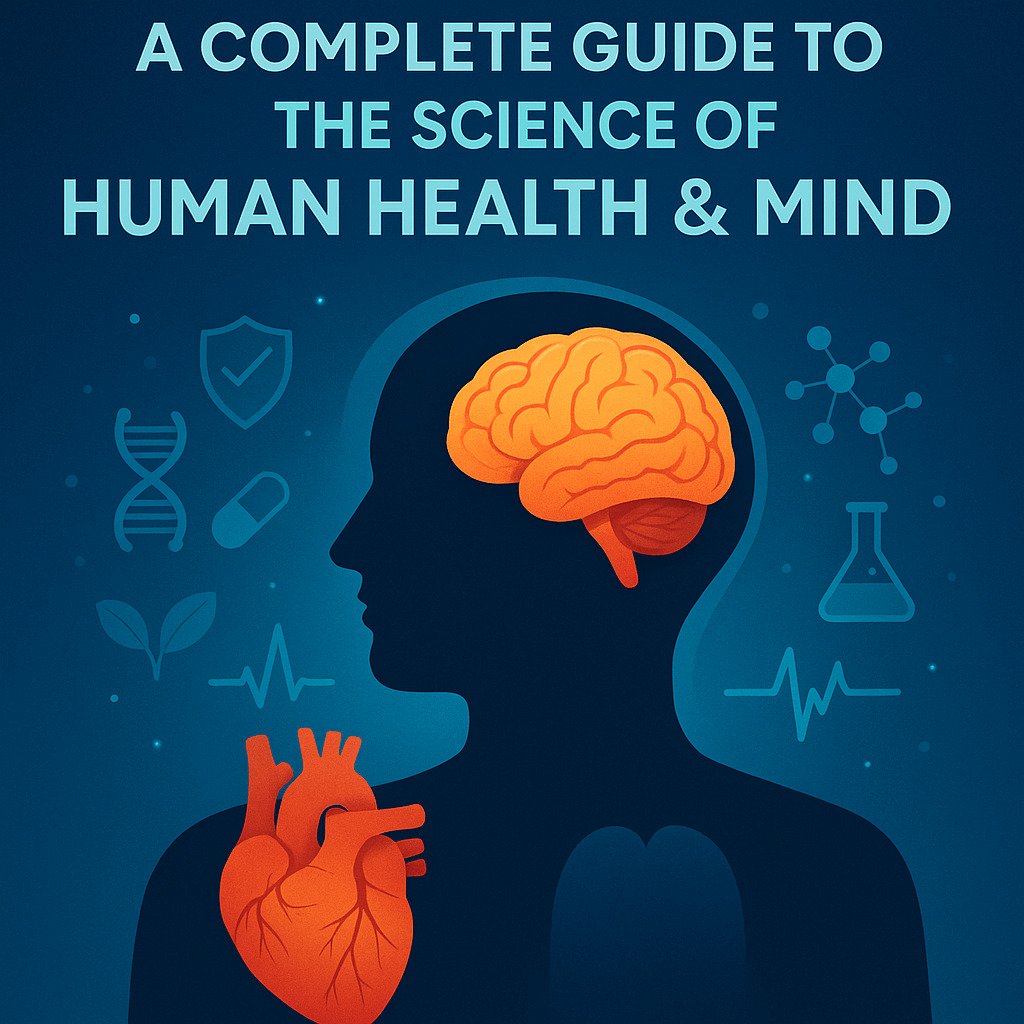
🔙 “Human Health & Mind: A Complete Guide to Your Body’s Hidden Systems”

a second brain all in one.🔙“Human Health & Mind: A Complete Guide to Your Body’s Hidden Systems”

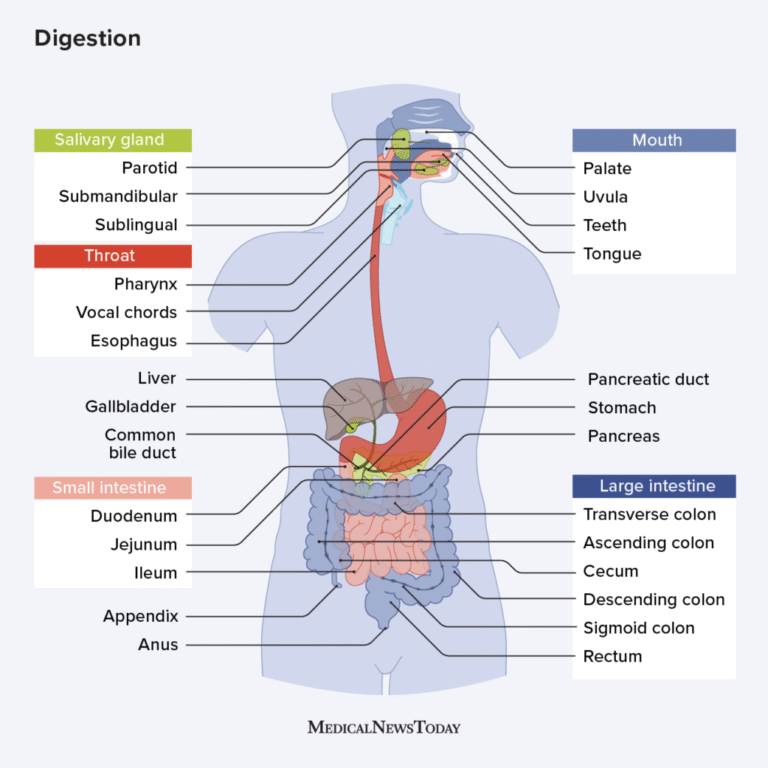
The Gut’s Design: Built Like Nature’s Perfect Kitchen

The human gut is designed with extraordinary precision—almost like a master chef’s kitchen where every station has a specialized role and perfect timing matters.

The stomach acts as the preparation zone, breaking down food with powerful acids and enzymes.
The small intestine functions like a skilled culinary team, carefully extracting nutrients, vitamins, proteins, fats, and energy from what we eat.
The large intestine takes on the role of recycling and restoration, absorbing water while nurturing trillions of beneficial microbes that support overall health.

Every section of this remarkable system has been refined over millions of years of evolution. When one part slows down or malfunctions, the entire “kitchen” feels the impact—affecting digestion, energy, immunity, and even mental well-being.

In many ways, the gut may be the most efficient biological kitchen ever created.

Its “workstations”—the stomach and intestines—are perfectly arranged for breaking down, processing, absorbing, and distributing nutrients throughout the body. The inner walls are lined with tiny structures called villi and microvilli, microscopic finger-like projections that dramatically increase the surface area available to absorb nourishment from food.

The workflow is equally impressive. Gentle muscular contractions known as peristaltic waves move food smoothly through the digestive tract, while enzymes, stomach acids, hormones, and beneficial bacteria work together like a disciplined culinary brigade operating in perfect coordination.

When this internal kitchen functions well, the body thrives. When it falls out of balance, the effects can ripple far beyond digestion alone.

The Gut’s Second Brain: Yes, It Thinks for Itself

Surprisingly, your gut contains over 500 million neurons — more than some animals have in their brains. This “enteric nervous system” can:

  • Move food independently
  • Trigger emotions
  • Regulate appetite
  • Signal danger

It doesn’t just communicate with the brain — it negotiates.

👉Gut–Brain Connection (Neuroscience & Medical Journals)

Harvard Medical School – The Gut–Brain Connection
https://www.health.harvard.edu/diseases-and-conditions/the-gut-brain-connection

Johns Hopkins Medicine – The Gut and Brain Relationship
https://www.hopkinsmedicine.org/health/wellness-and-prevention/the-brain-gut-connection

Cleveland Clinic – Enteric Nervous System Explained
https://my.clevelandclinic.org/health/body/21703-enteric-nervous-system

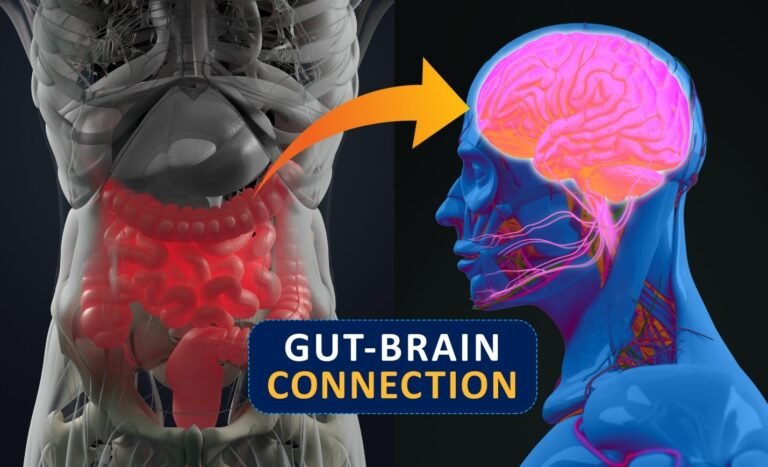
These are the strongest scientific but readable sources.One of the most astonishing discoveries in modern medicine is that the human gut possesses its own independent nervous system. Hidden within the digestive tract is a vast network of more than 500 million neurons — collectively known as the enteric nervous system (ENS) — often referred to as the body’s “second brain.”

Remarkably, this neural network is so sophisticated that it can perform many functions without direct instructions from the brain.

The enteric nervous system helps:

  • move food through the digestive tract independently,
  • regulate appetite and digestion,
  • detect and respond to internal stress or danger,
  • and even influence emotions and mood.

In fact, the gut does not merely “talk” to the brain — it maintains a constant two-way conversation with it.

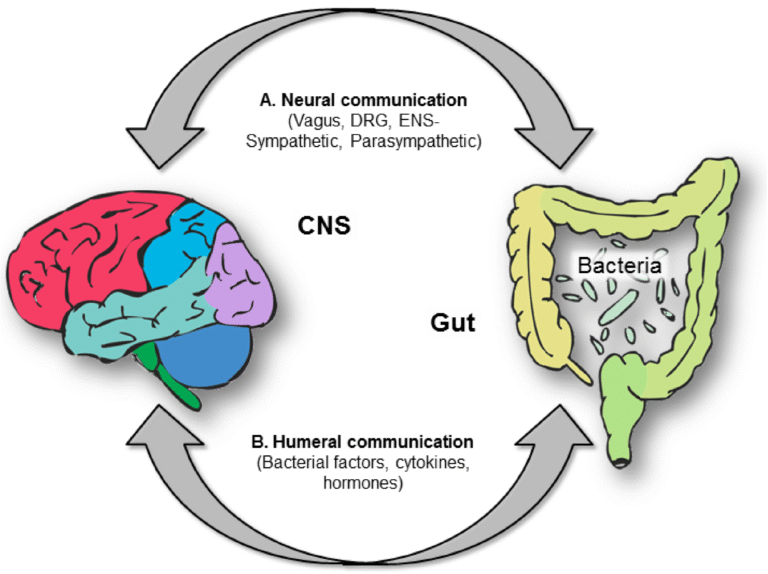
This communication takes place through what scientists call the gut–brain axis, a highly complex network involving nerves, hormones, neurotransmitters, and chemical signals. The gut continuously sends information to the brain about hunger, inflammation, stress, and overall bodily balance, while the brain responds by influencing digestion, mood, and behavior.

This may explain why emotional stress can trigger stomach discomfort, why anxiety can upset digestion, and why gut disorders are often linked with mood disturbances.

Scientists now believe that the gut and brain function less like separate organs and more like close partners constantly negotiating the body’s internal balance.

👉Gut–Brain Connection (Neuroscience & Medical Journals)

Harvard Medical School – The Gut–Brain Connection
https://www.health.harvard.edu/diseases-and-conditions/the-gut-brain-connection

Johns Hopkins Medicine – The Gut and Brain Relationship
https://www.hopkinsmedicine.org/health/wellness-and-prevention/the-brain-gut-connection

Cleveland Clinic – Enteric Nervous System Explained
https://my.clevelandclinic.org/health/body/21703-enteric-nervous-system

These are among the most scientifically reliable yet reader-friendly resources explaining the fascinating relationship between the gut and the brain.
The Microbiome: Your Inner City of Life

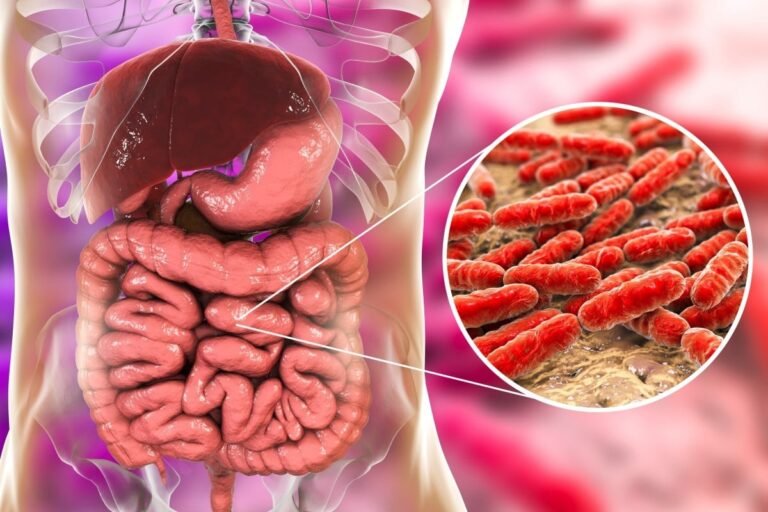
Now imagine that inside your body exists a vast, living metropolis populated by trillions of microscopic residents. This extraordinary internal world is known as the gut microbiome — a complex community of bacteria, fungi, viruses, and other microorganisms living primarily within the intestines.

Far from being harmful, many of these microbes are essential for human survival and well-being.

Together, they help:

  • digest food and break down nutrients,
  • regulate inflammation,
  • produce certain vitamins and beneficial compounds,
  • strengthen the immune system,
  • and maintain the balance of mood-related chemicals and neurotransmitters.

In many ways, the microbiome functions like a highly organized inner city where every resident has a role to play. Some microbes act as protectors, some as repair workers, while others help maintain communication between the gut, immune system, and brain.

When this microbial city remains diverse and balanced, the body tends to function more efficiently. Digestion improves, immunity becomes stronger, energy levels stabilize, and mental well-being often benefits as well.

But when the microbiome is damaged — through poor diet, chronic stress, excessive antibiotics, lack of sleep, or unhealthy lifestyle habits — the balance can begin to collapse. Scientists refer to this disruption as dysbiosis, a condition increasingly linked to inflammation, digestive disorders, weakened immunity, metabolic problems, and even mood disturbances.

Modern science now views the microbiome not as a passive passenger within the body, but as an active partner influencing overall health every single day.

👉Microbiome Science & Research

National Institutes of Health (NIH) – Human Microbiome Project
https://commonfund.nih.gov/hmp

American Gastroenterological Association – Gut Microbiome
https://gastro.org/practice-guidance/gi-patient-center/topic/gut-microbiome/

Mayo Clinic – Microbiome & Health
https://www.mayoclinic.org/microbiome

These resources provide scientifically reliable and reader-friendly insights into the rapidly evolving field of microbiome research and its impact on human health.

The Gut-Brain Connection: A Two-Way Street

The relationship between the gut and the brain is not one-sided — it is a continuous two-way conversation taking place every moment of the day.

At the center of this communication network is the vagus nerve, one of the body’s most important neural highways, carrying signals back and forth between the brain and the digestive system. Through this intricate connection, the gut constantly informs the brain about what is happening inside the body, while the brain simultaneously influences digestion, appetite, stress responses, and emotional balance.

This powerful connection explains why:

  • emotional stress can disrupt digestion,
  • gut disorders may contribute to anxiety or depression,
  • and nervousness is often felt physically in the stomach.

In many situations, the brain may be listening to the gut far more closely than we realize.

Scientists now understand that the gut produces many important neurotransmitters and signaling molecules involved in mood regulation. In fact, a significant portion of the body’s serotonin — often called the “feel-good” chemical — is associated with the gut environment.

This growing field of research is reshaping how medicine views emotional and mental well-being. Increasingly, gut health is no longer seen as merely a digestive concern, but as a foundational pillar influencing mood, resilience, cognitive function, and overall quality of life.

A healthy gut and a healthy mind are deeply interconnected — each continuously shaping the other.

Wisdom from the Experts

Scientists call the gut:

  • “The epicenter of immunity”
  • “The master regulator of inflammation”
  • “A biochemical factory”

Nutritionists emp

Over the past two decades, scientists, doctors, and nutrition researchers have increasingly recognized the gut as one of the body’s most influential health systems.

Today, experts often describe the gut as:

  • “the epicenter of immunity,”
  • “the master regulator of inflammation,”
  • and “a biochemical factory” essential for overall well-being.

These descriptions are not exaggerations. A large portion of the body’s immune activity is closely linked to the gut, while the microbiome continuously produces enzymes, vitamins, neurotransmitters, and countless biochemical compounds that influence metabolism, energy, mood, and disease resistance.

Researchers now believe that chronic inflammation — associated with conditions such as obesity, diabetes, cardiovascular disease, autoimmune disorders, and even cognitive decline — may often have strong connections to gut imbalance and lifestyle habits.

Nutritionists and wellness experts therefore emphasize a few foundational principles for maintaining a healthy gut:

  • consuming whole, minimally processed foods,
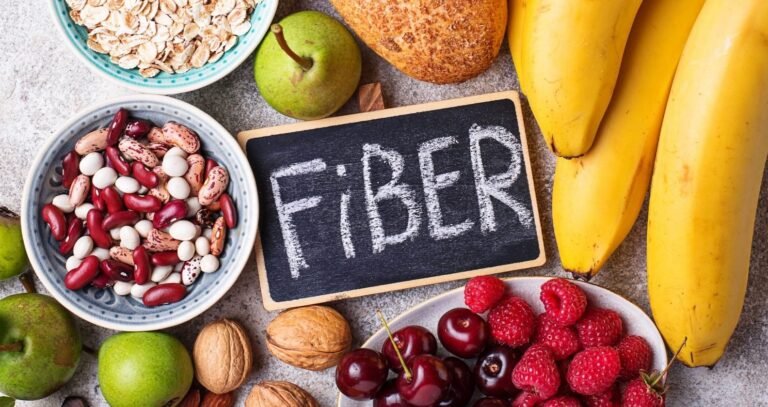
  • increasing dietary fiber,
  • including fermented foods rich in beneficial bacteria,
  • staying well hydrated,
  • managing stress,
  • and reducing excessive sugar and ultra-processed food intake.

The message emerging from modern science is remarkably clear: caring for the gut is not merely about better digestion — it is about supporting the body’s entire internal ecosystem.

Gut-Friendly Habits That Actually Work

  • The encouraging news about gut health is that small, consistent lifestyle changes can often produce meaningful results over time. Unlike many health trends that promise quick fixes, improving the gut usually depends on simple daily habits that support the body’s natural balance.

    Some of the most effective gut-friendly practices include:

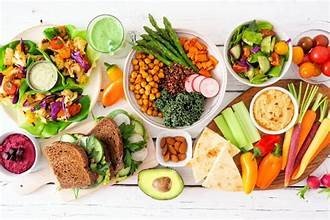
    ✔ Eating fiber-rich foods such as fruits, vegetables, whole grains, legumes, nuts, and seeds
    ✔ Including fermented foods like yogurt, kefir, kimchi, sauerkraut, and traditional fermented preparations
    ✔ Staying adequately hydrated throughout the day
    ✔ Reducing excessive processed sugar and ultra-processed foods
    ✔ Avoiding unnecessary or excessive use of antibiotics
    ✔ Prioritizing good-quality sleep and recovery
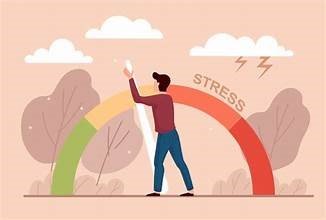
    ✔ Managing stress through mindful practices such as walking, meditation, yoga, or relaxation techniques

    These habits help nourish beneficial gut bacteria, strengthen the intestinal environment, and support a healthier microbial balance over time.

    Modern nutrition science also places increasing emphasis on probiotics and prebiotics:

    • Probiotics are beneficial live microorganisms that support gut balance.
    • Prebiotics are specialized plant fibers that feed and nourish these beneficial microbes.

    Together, they help maintain a healthier and more resilient gut ecosystem.

    The important point, however, is that gut health is rarely transformed overnight. Sustainable improvement comes from consistency rather than extreme dietary restrictions or short-term trends. Even modest lifestyle adjustments can gradually improve digestion, energy, immunity, and overall well-being.

    Probiotics, Prebiotics & Diet

    Harvard School of Public Health – Probiotics & Prebiotics
    https://www.hsph.harvard.edu/nutritionsource/probiotics/

    Cleveland Clinic – Prebiotics vs. Probiotics
    https://health.clevelandclinic.org/prebiotics-vs-probiotics/

    NHS – Probiotics Explained
    https://www.nhs.uk/conditions/probiotics

    These resources provide reliable, evidence-based guidance on how diet and beneficial microbes influence long-term gut health.

Myths You Can Forget Today

As interest in gut health grows, so does the amount of misinformation surrounding it. While scientific understanding of the microbiome is advancing rapidly, many myths still continue to circulate. Separating fact from fiction is essential for making informed health decisions.

❌ Myth: All bacteria are harmful

Truth: Most gut bacteria are not only harmless — they are essential for survival.

The human body coexists with trillions of beneficial microorganisms that help digest food, regulate immunity, produce important compounds, and maintain internal balance. In many ways, good bacteria act as silent partners supporting overall health every day.


❌ Myth: Probiotics alone can fix gut health

Truth: Probiotics may help, but long-term gut health depends far more on overall lifestyle and diet.

While probiotic supplements and fermented foods can support the microbiome, they cannot compensate for poor nutrition, chronic stress, sleep deprivation, or highly processed diets. A healthy gut requires a broader ecosystem approach rather than a single “magic solution.”


❌ Myth: Gut problems affect only digestion

Truth: Gut health influences immunity, mood, metabolism, energy levels, and even mental well-being.

Modern research increasingly links gut imbalance with inflammation, stress responses, metabolic disorders, and emotional health. The gut’s influence extends far beyond the digestive system alone.


The science of gut health reminds us that the body functions as an interconnected system where digestion, immunity, brain function, and emotional balance are deeply intertwined.

Final Word: Your Gut Deserves a Little Love

Your gut works tirelessly every single day — digesting food, regulating immunity, communicating with the brain, supporting metabolism, and helping maintain the delicate balance that keeps the body functioning smoothly. Much of this remarkable work happens silently, without us ever noticing it.

Yet modern lifestyles filled with stress, processed foods, irregular sleep, and constant pressure often place this vital system under strain.

The encouraging reality is that even small, mindful changes can make a meaningful difference. Nourishing the gut with healthier food choices, better sleep, hydration, movement, and stress management is not merely about improving digestion — it is an investment in long-term physical and mental well-being.

Your mood, immunity, energy levels, resilience, and even healthy aging are closely connected to the health of your gut.

In many ways, caring for your gut is one of the simplest and most powerful forms of self-care available — because true wellness often begins from the inside out.

Conclusion

Your gut is far more than a digestive organ — it is one of the body’s most remarkable and underrated powerhouses. From supporting immunity and metabolism to influencing mood, energy, and mental well-being, the gut quietly shapes countless aspects of human health every single day.

Modern science continues to reveal how deeply interconnected the gut is with the brain, immune system, hormones, and overall vitality. Understanding this hidden internal ecosystem is not merely a matter of medical curiosity; it is an important step toward living a healthier and more balanced life.

By nourishing your gut with mindful habits, wholesome nutrition, adequate rest, and stress management, you are investing not only in digestion, but also in your long-term physical, emotional, and cognitive well-being.

Treat your gut with care and respect, and it may reward you with greater resilience, improved wellness, and a healthier, happier life.

👉 “Understanding Heart Transplants: Science, Challenges, and the Road to Saving Lives”

Frequently Asked Questions(FAQs)

The gut contains millions of neurons forming the enteric nervous system, which communicates constantly with the brain and influences digestion, mood, and overall health.

The gut microbiome refers to trillions of microorganisms living in the digestive tract that help regulate digestion, immunity, metabolism, and mental well-being.

Yes. Research shows that the gut and brain are closely connected through the gut–brain axis, meaning gut imbalance may influence stress, anxiety, and mood.

Fiber-rich foods, fruits, vegetables, fermented foods, whole grains, and probiotic-rich foods like yogurt and kefir support a healthy gut.

Probiotics are beneficial live bacteria, while prebiotics are plant fibers that feed and support these healthy bacteria.

Stress can disrupt digestion, alter gut bacteria, increase inflammation, and negatively impact the gut–brain connection.

Common signs include bloating, indigestion, fatigue, irregular bowel movements, poor sleep, low immunity, and mood disturbances.