Table of Contents
ToggleWhere Policy Shapes Markets—and Decisions Shape Outcomes
Policies and regulations are often seen as dry instruments of governance. In reality, they are the invisible framework that determines how businesses grow, compete, and connect with the world.
From trade agreements to taxation, from global summits to domestic reforms, every policy decision carries consequences—some immediate, others unfolding over years. For investors, entrepreneurs, and observers of the global economy, understanding these shifts is not optional; it is essential.
At WolverineSpeak, this section goes beyond headlines. It seeks to interpret the intent behind policy, the impact on markets, and the opportunities that emerge at the intersection of regulation and strategy.
Key Focus Areas
1. India–US Trade Ties
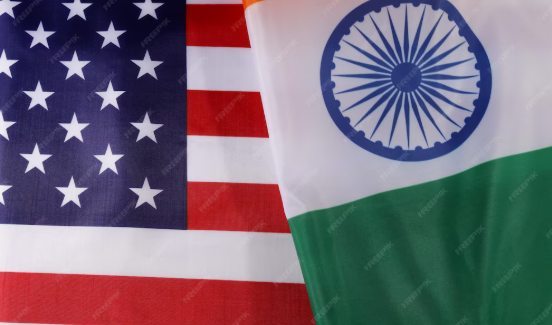
A defining partnership of the 21st century, the relationship between India and the United States continues to evolve across trade, technology, and geopolitics.
From tariff negotiations to technology flows and strategic alignments, this space tracks developments that shape not just bilateral trade, but global economic direction.
👉 Read our detailed analysis on India–US Trade Relations and investor insights India–US Trade Relations
2. World Trade Organization (WTO)
At the heart of global trade governance lies the World Trade Organization—an institution that defines rules, resolves disputes, and attempts to balance competing national interests.
As debates intensify around subsidies, tariffs, and reforms, the WTO remains central to how global trade evolves.
👉 👉 Explore WTO updates and their impact on global trade.
3. BRICS: The Emerging Power Bloc
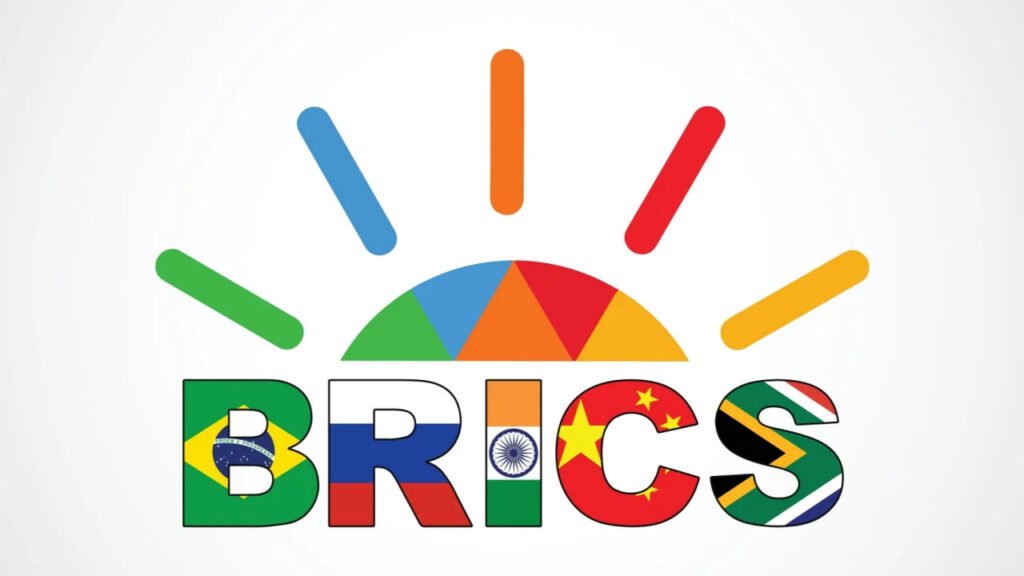
The rise of BRICS signals a shift in global economic power.
With member nations seeking alternatives to traditional Western-led institutions, BRICS is shaping conversations around trade, finance, and geopolitical alignment. India’s role within this bloc carries both opportunity and strategic complexity.
👉 👉 Understand BRICS and its growing influence on global markets.
4. Regional Trade Dynamics
Not all trade developments make global headlines—but regional shifts often carry significant implications.
From Southeast Asia to emerging corridors of commerce, bilateral tensions and partnerships—such as those involving Cambodia and Thailand—can influence supply chains, investment flows, and market stability.
👉 👉 Track Regional Trade Developments shaping emerging markets.
5. Policy Reforms in India
Domestic reforms are the foundation on which global competitiveness is built.
Whether it is taxation, labour laws, or foreign investment policies, decisions taken within India shape the business environment and influence investor confidence.
Understanding these reforms is key to anticipating both risks and opportunities.
👉 👉 Follow Policy Reforms in India affecting business and investment.
Reading Between Policy Lines
Policy is not just about regulation—it is about direction.
For the informed reader, it offers clues about where economies are headed, which sectors may rise, and where caution is warranted.
This section is designed to help you read between the lines—connecting policy decisions to real-world outcomes.
NOTE: For more insights on global markets and trade developments, explore our Business section.
Frequently Asked Questions(FAQs)
Policies shape taxation, trade, capital flows, and sector growth. Understanding them helps investors anticipate risks and identify long-term opportunities.
The WTO sets the rules of international trade, resolves disputes, and influences tariff structures, making it critical for global economic stability.
Reforms in taxation, labour laws, and FDI policies directly affect ease of doing business, investment inflows, and sectoral growth in India.
BRICS represents emerging economies collaborating to reshape global financial and trade systems, offering alternatives to traditional institutions.
Geopolitical alignments affect tariffs, sanctions, supply chains, and trade agreements, directly impacting markets and investor sentiment.