Table of Contents
ToggleIntroduction to BRICS
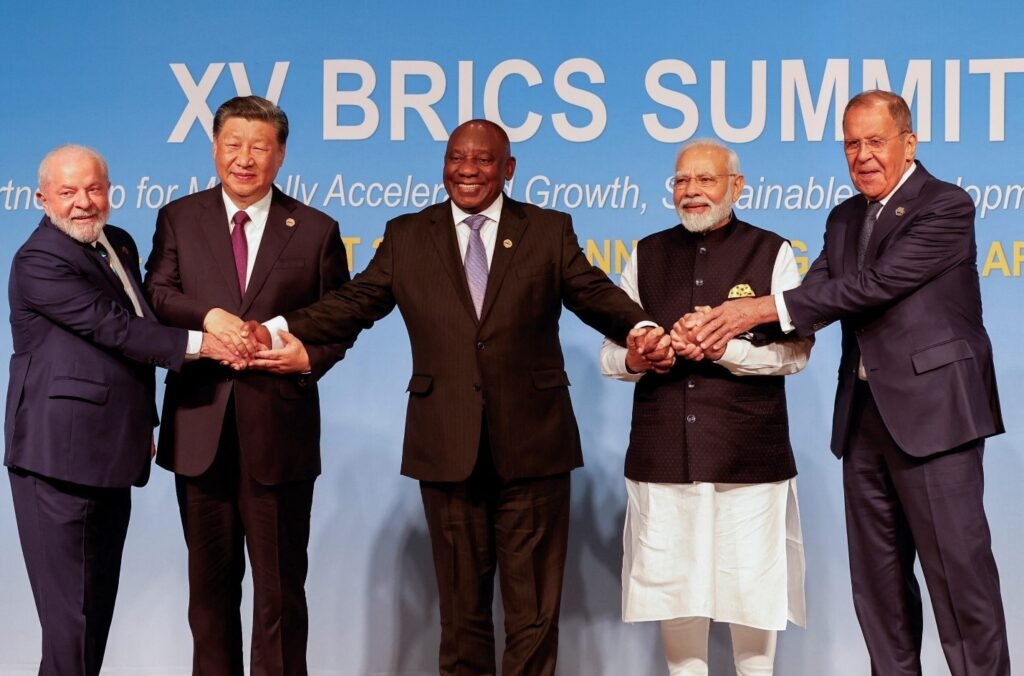
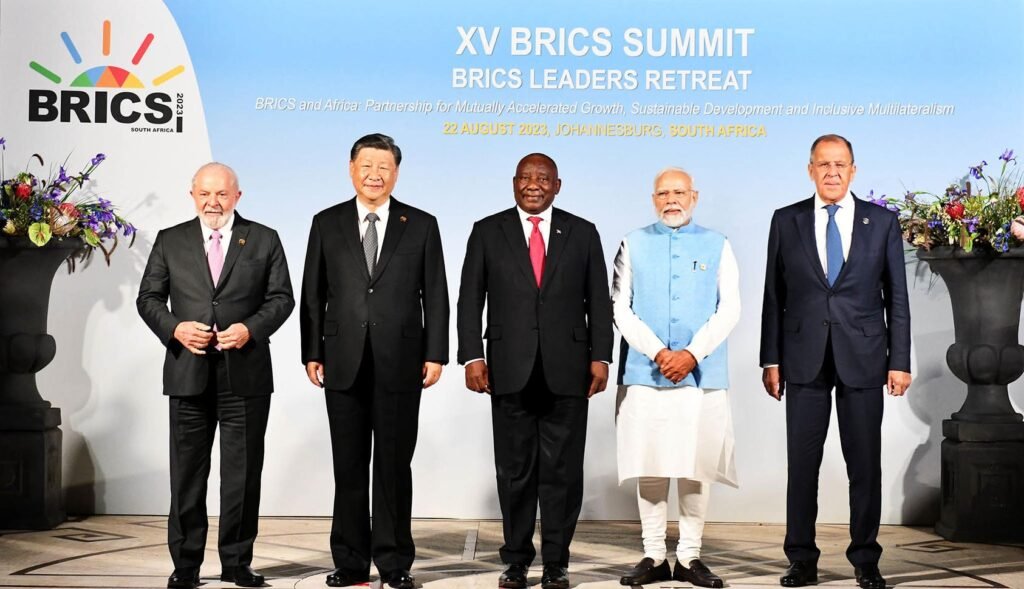
For decades, global economic and political narratives have been dominated by Western powers — largely the United States and its allies. But over the last 20 years, BRICS — an alliance of Brazil, Russia, India, China, and South Africa — has emerged as a powerful collective voice from the Global South. Representing over 40% of the world’s population and nearly one-fourth of the global GDP, BRICS is no longer just a theoretical acronym coined by investment bankers — it is a strategic organisation reshaping global governance, policy frameworks, and trade relationships.
How BRICS Was Born: From Concept to Coalition
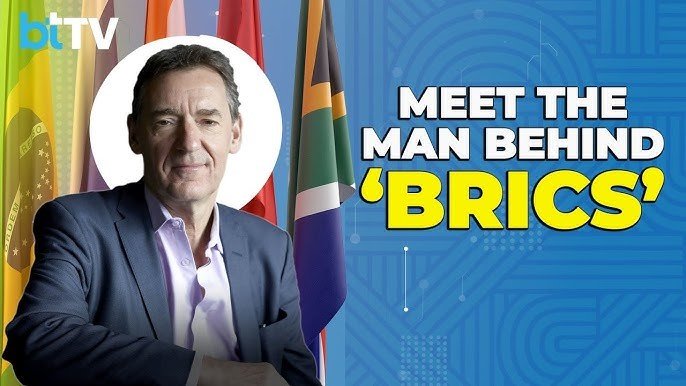
The term “BRIC” was first coined in 2001 by economist Jim O’Neill of Goldman Sachs, highlighting the economic growth potential of Brazil, Russia, India, and China.
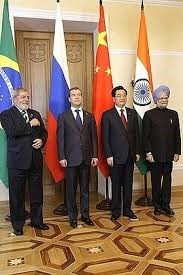
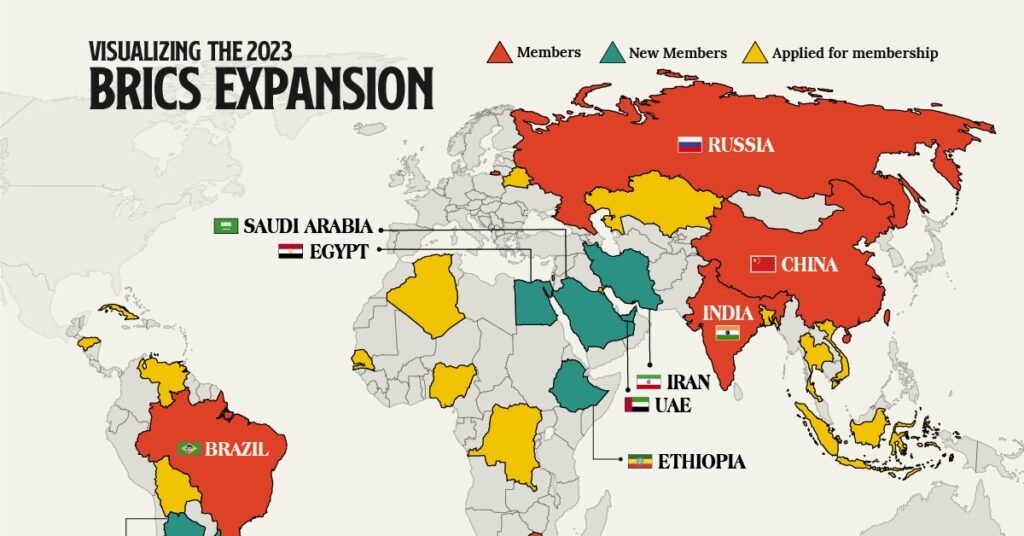
Key milestones 2009 – The first BRIC Summit in Yekaterinburg, Russia 2011 – South Africa joined, expanding the group to BRICS 2014 – Launch of the New Development Bank (NDB) 2023 – Expansion announced (Saudi Arabia, UAE, Egypt, Iran, Ethiopia invited) From an investment idea → to a multilateral force That transformation tells a bigger story: the world is no longer unipolar.
BRICS: The Numbers That Matter
BRICS: The Numbers That Matter
BRICS (2024) | Global Share | |
Population | ~3.3 billion | 42% |
GDP (Nominal) | ~$28 trillion | ~26% |
GDP (PPP) | Largest bloc globally | ~33% |
Land Area | 27% of world | — |
Energy Resources | Major Oil & Gas holders | — |
These numbers alone show why BRICS discussions are drawing global attention.
The Core Objectives of BRICS
The Core Objectives of BRICS
BRICS wants to create fairer global economic governance. Here’s what the alliance prioritizes:
✅ Reforming global institutions like IMF & World Bank
✅ Increasing trade among member nations
✅ Reducing Western dominance in global finance
✅ Investing in infrastructure & sustainable development
✅ Technology cooperation — digital payments, space, AI
✅ Global South representation and voice in world affairs
Their motto could be summed up as:
“Multipolar World, Shared Prosperity.”
BRICS Institutions Strengthening Global South Diplomacy
The New Development Bank (NDB) and Contingent Reserve Arrangement (CRA) play a pivotal role.
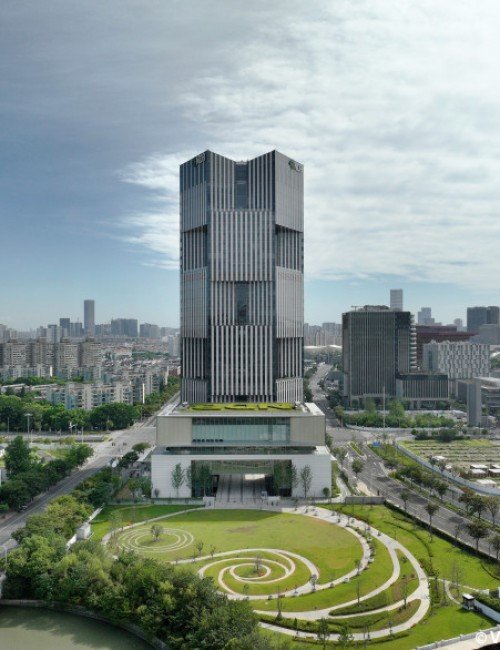
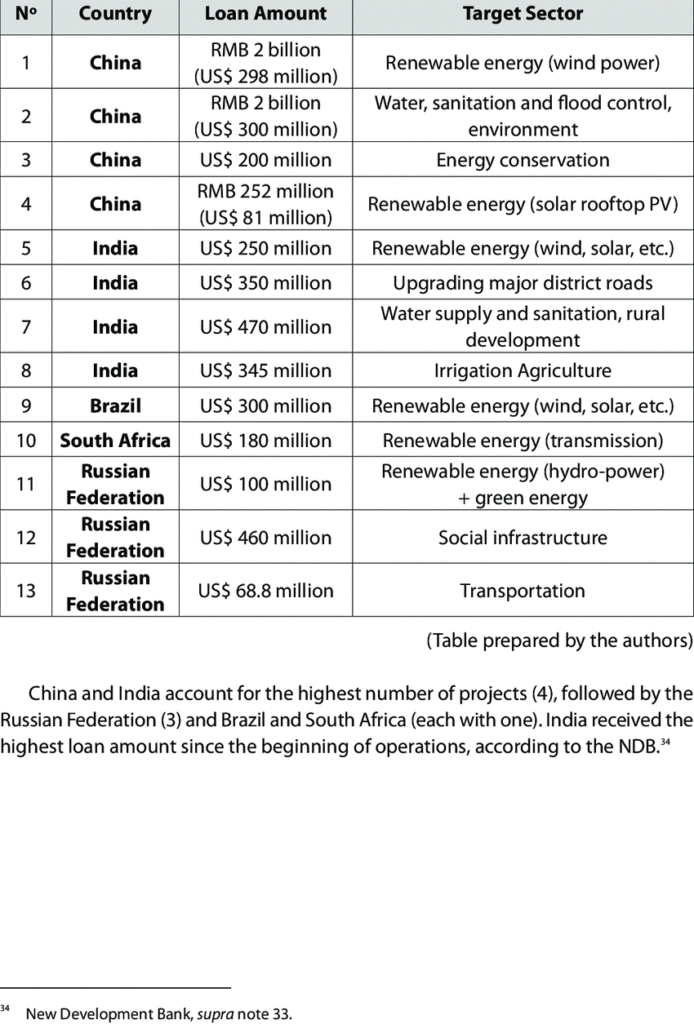
New Development Bank Headquartered in Shanghai, China Focus: Infrastructure, green energy, digital development India has been a leading beneficiary (Projects in Renewable, Smart Cities & Transport)
Contingent Reserve Arrangement A financial safety net for emergency liquidity needs — reducing reliance on the US-dominated IMF.
India's Role and Strategic Interests in BRICS
India is a founder member and a key voice within the group, advocating:
- Reformed Multilateralism — fairer global representation
- Protection of developing economies
- Technology partnerships in space, fintech, pharmaceuticals
- Strengthening BRICS as a counterbalance to geopolitical rivalries
India’s UPI payment system has become a showcase model for digital collaboration within BRICS.
The emerging nations’ bloc gives India a unique balancing power — working with China in trade, yet strengthening ties with the US strategically.
China: Economic Engine or Strategic Dominator?
China remains the largest economy within BRICS.
Its Belt & Road Initiative (BRI) often influences decision structures.
Tensions occasionally arise — especially with India — over:
- Border disputes
- Trade imbalance
- Leadership dominance in BRICS forums
Despite differences, cooperation is driven by mutual economic interests.
Recent Expansion: The New BRICS+ Era
In 2023, BRICS invited Saudi Arabia, UAE, Egypt, Iran, and Ethiopia — adding:
- Major oil & energy powers
- Strong logistics and trade hubs
- African representation strengthened further
If fully integrated, BRICS+ will control:
- Over 43% of global oil production
- Critical world shipping and trade routes
De-Dollarization: Is BRICS Challenging the USD?
One of the most closely watched policy areas.
Current momentum:
- Increasing use of local currencies in bilateral trade
- Exploration of a BRICS reserve currency, potentially digital
While USD dominance remains strong, the shift has begun, especially in:
- Energy trading
- BRICS Development Finance
- SWIFT alternatives
This is a long-term strategy, but globally significant.
Challenges Ahead for BRICS
While the alliance is powerful, it isn’t frictionless:
⚠ Geopolitical tensions (India–China)
⚠ Economic disparities between members
⚠ Different alignments with the US/Europe
⚠ Russia’s Western sanctions impact
⚠ Slow pace of policy implementation
Unity is still evolving — but ambition is high.
Why the World Is Watching this emerging economic alliance?
BRICS embodies voices from developing nations demanding:
- Equality
- Sovereignty
- Economic justice
The shift is clear:
The Global South wants a new seat at the table — not just a corner in the old one.
BRICS may not replace Western frameworks anytime soon,
but it is changing the rules of the game.
Conclusion
BRICS is more than a multilateral group — It is the symbol of a transforming world order. A future with:
- Multiple power centers
- Diversity in global governance
- Collaboration driven by development needs
India’s participation ensures its influence in writing the next chapter of global growth.
The coming decade will decide whether BRICS becomes a true alternative or remains a parallel voice. But one thing is certain:
BRICS is not the future. It is the present — expanding, evolving, and demanding its rightful role in global decision-making.