Table of Contents
ToggleProducts – Retail & Distribution in India
India’s petroleum retailing and distribution sector forms the final and consumer-facing link in the oil and gas value chain. It connects refineries, storage terminals, and distribution networks to millions of consumers across urban, semi-urban, and rural regions of the country.
From petrol and diesel used in transportation to LPG supplied to households and aviation turbine fuel powering aircraft, petroleum products play a vital role in supporting economic activity and everyday life. The sector operates through an extensive infrastructure network comprising pipelines, depots, LPG bottling plants, tanker transportation systems, and retail outlets managed by both public and private sector companies.
As India’s economy expands and energy demand continues to rise, the retail and distribution segment has become increasingly important in ensuring uninterrupted fuel availability, supply efficiency, and energy security. At the same time, the sector is gradually evolving in alignment with the growth of renewable and alternative energy sources, digital technologies, and changing consumer preferences.
This article explores the structure, major participants, infrastructure, challenges, and future outlook of India’s petroleum retailing and distribution ecosystem.
1. Major Petroleum Products in India
India’s petroleum retailing sector deals with a wide range of products catering to transportation, industrial, commercial, and domestic energy requirements. These products are obtained through the refining and processing of crude oil and distributed through an extensive nationwide network.
These products originate from hydrocarbons obtained through crude exploration and production in India.
Petrol (Motor Spirit – MS)
Petrol is primarily used as fuel for two-wheelers, passenger cars, and small commercial vehicles. It remains one of the most widely consumed transportation fuels in urban India.
Diesel (High-Speed Diesel – HSD)
Diesel is extensively used in heavy commercial vehicles, railways, agricultural equipment, generators, and industrial machinery. It accounts for a significant share of India’s petroleum consumption due to its widespread economic usage.
Liquefied Petroleum Gas (LPG)
LPG is one of the most important domestic fuels in India and is widely used for cooking purposes. Government initiatives such as the Pradhan Mantri Ujjwala Yojana have significantly expanded LPG penetration in rural households.
Compressed Natural Gas (CNG)
CNG is increasingly being adopted as a cleaner transportation fuel, particularly in metropolitan cities. It is widely used in public transport systems, taxis, and commercial vehicles.
Aviation Turbine Fuel (ATF)
ATF is a specialised fuel used in the aviation sector. Growth in air travel and airport infrastructure has contributed to rising demand for aviation fuel in India.
Lubricants and Specialty Products
Lubricants, greases, bitumen, and specialty petroleum products are used across automotive, industrial, and infrastructure sectors. These products contribute significantly to value addition within the downstream petroleum industry.
Naphtha and Petrochemical Feedstocks
Naphtha, a key refining product, serves as an important feedstock for the petrochemical and downstream industries. It is widely used in the production of plastics, polymers, chemicals, and fertilizers.
Public Sector Oil Marketing Companies (OMCs)
Public sector Oil Marketing Companies (OMCs) continue to dominate India’s petroleum retailing landscape through their extensive retail outlet networks, LPG distribution systems, and fuel supply infrastructure.
The three major public sector OMCs are:
- Indian Oil Corporation (IOCL)
- Bharat Petroleum Corporation Limited (BPCL)
- Hindustan Petroleum Corporation Limited (HPCL)
These companies operate thousands of fuel stations across the country and play a critical role in ensuring fuel accessibility in both urban and rural regions. In addition to fuel retailing, they manage LPG distribution, aviation fuel supply, pipeline infrastructure, and storage terminals.
Public sector OMCs also contribute significantly to India’s energy sector landscape by supporting strategic fuel reserves, maintaining supply continuity, and implementing government-led energy initiatives.
Private Sector Petroleum Retailers
Private sector participation in petroleum retailing has expanded steadily following the liberalisation of India’s fuel marketing sector. These companies have introduced modern retail infrastructure, premium fuel offerings, digital payment systems, and customer-focused service models.
Major private sector participants include:
- Nayara Energy
- Reliance Industries–BP Joint Venture
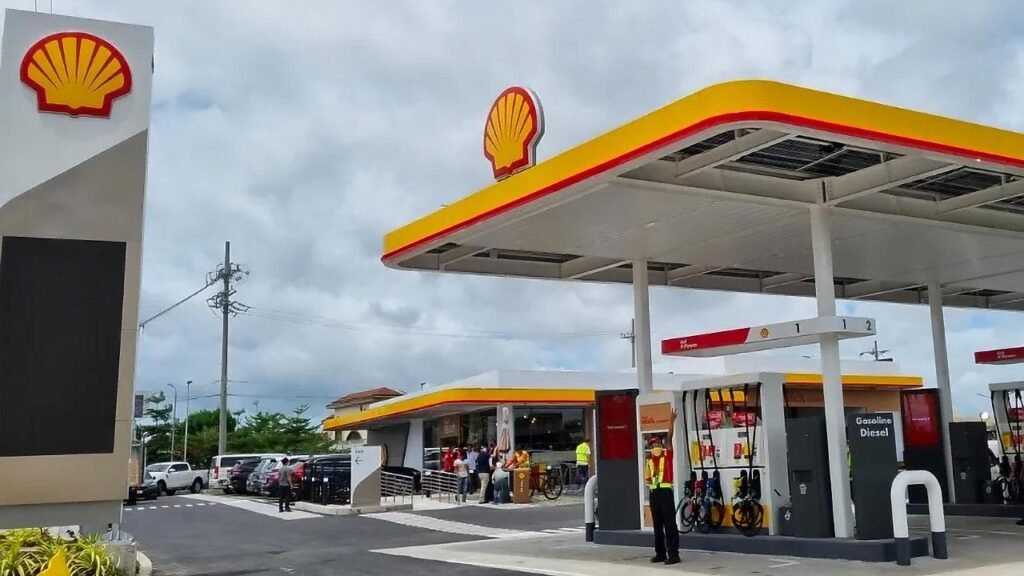
- Shell plc
Private retailers are generally more technology-driven and export-oriented, contributing to operational efficiency and competition within the sector. Their growing presence is gradually reshaping India’s fuel retailing ecosystem through improved customer experience and advanced service formats.
Petroleum Distribution & Logistics Infrastructure
India’s petroleum distribution system depends on a vast logistics and transportation network that ensures fuel movement from refineries and import terminals to retail outlets and end-users.
This infrastructure includes:
- Cross-country product pipelines
- Storage depots and terminals
- Tanker transportation fleets
- Coastal shipping systems
- LPG bottling plants
Efficient logistics are essential for maintaining uninterrupted fuel supply across geographically diverse regions. The sector also relies heavily on integrated infrastructure developed through the crude refining and processing ecosystem.
LPG Bottling & Distribution Network
India operates one of the world’s largest LPG distribution networks, serving millions of households through both public and private sector participation.
Major public sector LPG brands include:
- Indane (IOCL)
- Bharat Gas (BPCL)
- HP Gas (HPCL)
The LPG ecosystem includes bottling plants, cylinder manufacturers, distributors, transport operators, and safety service providers. Expansion of LPG access has significantly improved household energy access, particularly in rural India.
Government Regulation & Pricing Mechanism
The petroleum retailing sector operates under a regulated policy framework designed to ensure pricing transparency, supply continuity, and quality standards. Detailed policy initiatives and fuel sector reforms are periodically published by the Ministry of Petroleum and Natural Gas, Government of India.
Key institutions involved include:
- Ministry of Petroleum and Natural Gas
- Petroleum Planning and Analysis Cell
Fuel pricing in India is influenced by:
- Global crude oil prices
- Exchange rates
- Taxes and duties
- Transportation costs
- Government policies and subsidies
As a result, the sector remains closely linked to broader market trends and economic cycles.
Technology & Digital Transformation
Technology is increasingly transforming India’s petroleum retailing sector through automation, digitalisation, and improved customer service systems.
Key developments include:
- Digital payment systems
- Automated fuel dispensing
- Fuel quality monitoring technologies
- Mobile applications and loyalty programmes
- Real-time supply tracking systems
Technology integration is improving operational efficiency, transparency, and customer convenience across fuel retail networks.
Challenges in Petroleum Retailing & Distribution
Despite significant growth, the sector faces multiple operational and strategic challenges, including:
- Volatility in global crude oil prices
- Rising logistics and transportation costs
- Supply chain disruptions
- Environmental concerns and emission norms
- Competition from cleaner fuels and electric mobility
The sector is also increasingly influenced by the impact of policy decisions on energy markets, including taxation, subsidy reforms, and environmental regulations.
Future Outlook
India’s petroleum retailing and distribution sector is steadily evolving in response to changing energy consumption patterns, environmental priorities, and technological advancements.
Future developments are expected to include:
- Expansion of cleaner fuels such as CNG and biofuels
- Integration of EV charging infrastructure at fuel stations
- Hydrogen fuel initiatives
- Increased digitalisation and automation
- Development of multi-energy retail outlets
While traditional petroleum products will continue to dominate in the near term, the sector is gradually aligning with India’s broader energy transition goals.
Conclusion
India’s petroleum retailing and distribution sector is far more than a network of fuel stations—it is a critical pillar supporting transportation, industry, household energy access, and overall economic activity. From large public sector Oil Marketing Companies to emerging private retailers and technology-driven distribution systems, the sector continues to evolve in response to rising energy demand and changing consumer expectations.
As India strengthens its position among the world’s largest economies, ensuring efficient fuel distribution, supply security, and infrastructure expansion will remain essential. At the same time, the sector is gradually adapting to cleaner fuels, digital transformation, and the broader transition toward sustainable energy systems.
In the years ahead, petroleum retailing and distribution will continue to play a central role in balancing energy accessibility, economic growth, and environmental priorities within India’s evolving energy landscape.
Frequently Asked Questions(FAQs)
Petroleum retailing and distribution refer to the supply, transportation, storage, and sale of petroleum products such as petrol, diesel, LPG, CNG, and aviation fuel to end consumers through retail outlets and distribution networks.
The major public sector Oil Marketing Companies in India are Indian Oil Corporation, Bharat Petroleum Corporation Limited, and Hindustan Petroleum Corporation Limited.
Private companies such as Nayara Energy, Reliance Industries–BP, and Shell plc contribute through fuel retailing, technology integration, premium fuel offerings, and modern retail infrastructure.
Petroleum products are transported through pipelines, road tankers, railway tank wagons, coastal shipping systems, and storage terminals before reaching fuel stations and distribution centres.
LPG plays a crucial role in domestic energy access, particularly for cooking purposes. Government initiatives have significantly expanded LPG penetration in rural and economically weaker households.
Fuel prices in India are influenced by global crude oil prices, exchange rates, taxes and duties, transportation costs, and government policies.
Major challenges include crude oil price volatility, logistics costs, environmental regulations, supply disruptions, and the gradual transition toward cleaner energy alternatives.
Technology is improving fuel retailing through digital payments, automation, fuel quality monitoring, mobile applications, and real-time supply chain tracking systems.
The sector is gradually evolving toward cleaner fuels, EV charging infrastructure, hydrogen fuel initiatives, digitalisation, and multi-energy retail outlets.
Efficient petroleum distribution supports transportation, industry, agriculture, aviation, and household energy needs, making it a critical component of India’s economic growth and energy security.