Table of Contents
ToggleComing Soon
Nuclear reactors are the heart of every nuclear power plant. They are the sophisticated systems that harness the immense energy stored within atoms and convert it into reliable electricity for homes, industries, and entire nations.
Over the past seven decades, reactor technology has evolved significantly. From the early experimental designs of the 1950s to today’s advanced reactors and emerging Small Modular Reactors (SMRs), each generation has sought to improve safety, efficiency, reliability, and sustainability.
Understanding reactor technologies is essential for anyone seeking to comprehend how nuclear energy works, why different countries adopt different reactor designs, and how future innovations may reshape the global energy landscape.
This comprehensive article is currently under development and will shortly provide readers with a detailed guide to the major nuclear reactor technologies used around the world.
What This Article Will Cover
Understanding the Basics of a Nuclear Reactor
-
How a nuclear reactor works
-
The role of nuclear fission
-
Heat generation and electricity production
-
Key reactor components
Major Components of a Nuclear Reactor
-
Reactor core
-
Fuel assemblies
-
Control rods
-
Coolants
-
Moderators
-
Steam generators
-
Containment structures
Pressurised Water Reactors (PWRs)
-
Operating principles
-
Advantages and limitations
-
Global deployment
-
Why PWRs dominate worldwide nuclear power generation
Boiling Water Reactors (BWRs)
-
Reactor design and operation
-
Differences from PWRs
-
Operational advantages
-
Major installations around the world
Pressurised Heavy Water Reactors (PHWRs)
-
Heavy water technology
-
India’s extensive PHWR programme
-
Fuel flexibility
-
Operational performance
Gas-Cooled Reactors
-
Historical development
-
Advanced Gas-Cooled Reactors (AGRs)
-
Performance characteristics
-
Applications and limitations
Fast Breeder Reactors (FBRs)
-
How breeder reactors work
-
Fuel multiplication concept
-
Strategic importance
-
India’s fast breeder programme
Advanced Heavy Water Reactors (AHWRs)
-
India’s indigenous reactor development
-
Thorium utilisation
-
Future potential
Small Modular Reactors (SMRs)
-
What makes SMRs different
-
Modular construction
-
Enhanced safety features
-
Economic considerations
-
Potential applications
Generation IV Reactors
-
Advanced reactor concepts
-
Molten Salt Reactors
-
Sodium-Cooled Fast Reactors
-
High-Temperature Gas Reactors
-
Lead-Cooled Reactors
Reactor Safety Systems
-
Defence-in-depth philosophy
-
Passive safety systems
-
Containment structures
-
Emergency shutdown systems
Reactor Technologies and Climate Change
-
Supporting low-carbon electricity
-
Integration with renewable energy
-
Hydrogen production opportunities
-
Future role in energy transition
The Future of Nuclear Reactor Technology
-
Artificial intelligence and digital monitoring
-
Advanced fuels
-
Thorium-based systems
-
Microreactors
-
Next-generation energy solutions
Why Understanding Reactor Technologies Matters
Not all nuclear reactors are the same.
Different reactor designs influence:
-
Safety performance
-
Fuel requirements
-
Operating efficiency
-
Construction costs
-
Waste generation
-
Long-term sustainability
As countries seek reliable low-carbon energy solutions, understanding reactor technologies is becoming increasingly important for policymakers, investors, engineers, students, and energy enthusiasts alike.
Looking Ahead
The future of nuclear power will be shaped not only by public policy and energy demand but also by the evolution of reactor technology itself. From conventional reactors operating today to innovative designs under development, reactor technologies will play a central role in determining how nuclear energy contributes to the world’s future energy needs.
The forthcoming article will provide a comprehensive and reader-friendly exploration of these technologies and their significance in the global energy landscape.
Stay tuned for the complete article.
Related Articles
Nuclear Energy: Powering the Future with the Atom
The pillar article introducing the science, opportunities, challenges, and future of nuclear energy.
History and Evolution of Nuclear Power
Explore the scientific discoveries, technological breakthroughs, and historical milestones that shaped the nuclear age.
Uranium & Nuclear Fuel Cycle
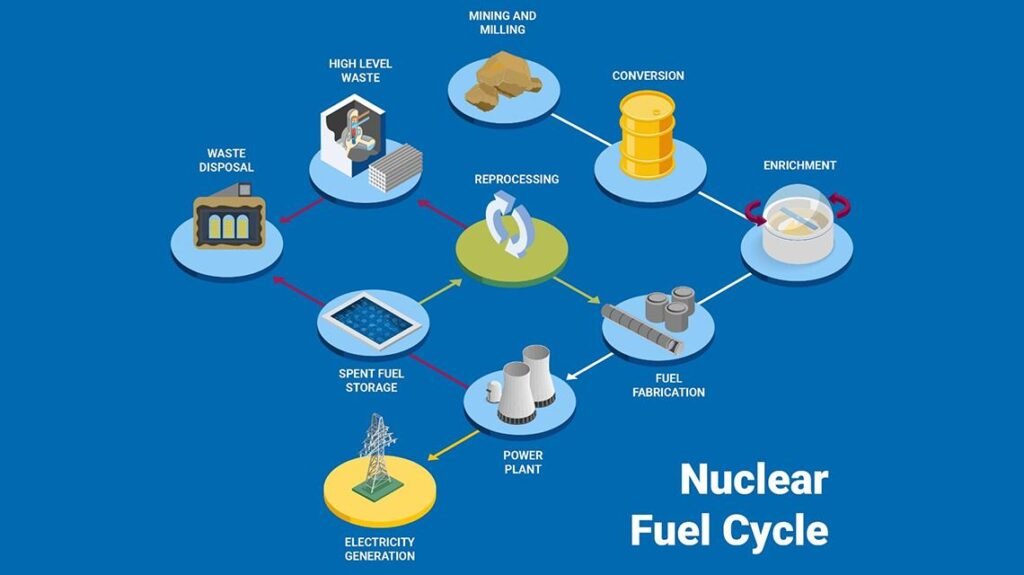
Understand how uranium is mined, processed, enriched, and transformed into fuel for nuclear reactors.
Nuclear Power in India
Discover India’s unique nuclear programme, reactor technologies, and long-term vision based on uranium and thorium resources.
Global Uranium Market and Investment Outlook
Examine uranium supply, demand, pricing trends, and the growing role of nuclear power in global energy markets.
Return to the Pillar Article
For a broader understanding of how reactor technologies fit into the larger picture of atomic energy, readers are encouraged to return to:
Nuclear Energy: Powering the Future with the Atom