Nuclear Energy

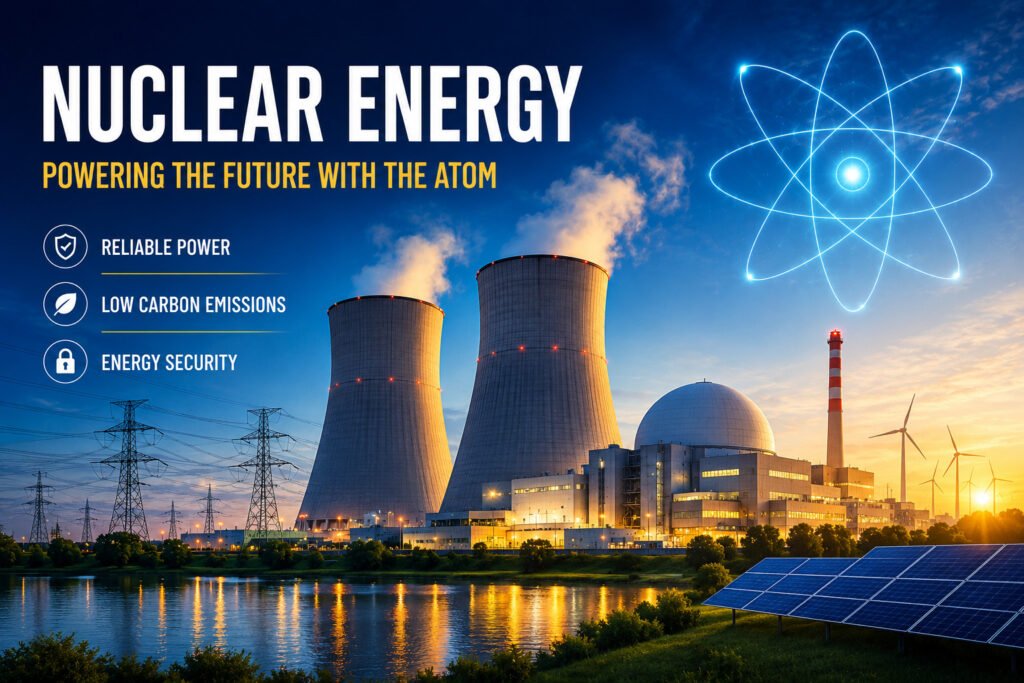
Nuclear energy provides a reliable, low-carbon source of power, playing a key role in long-term energy security. This section covers uranium resources, nuclear power generation, safety frameworks, and the evolving policy landscape in India and globally.

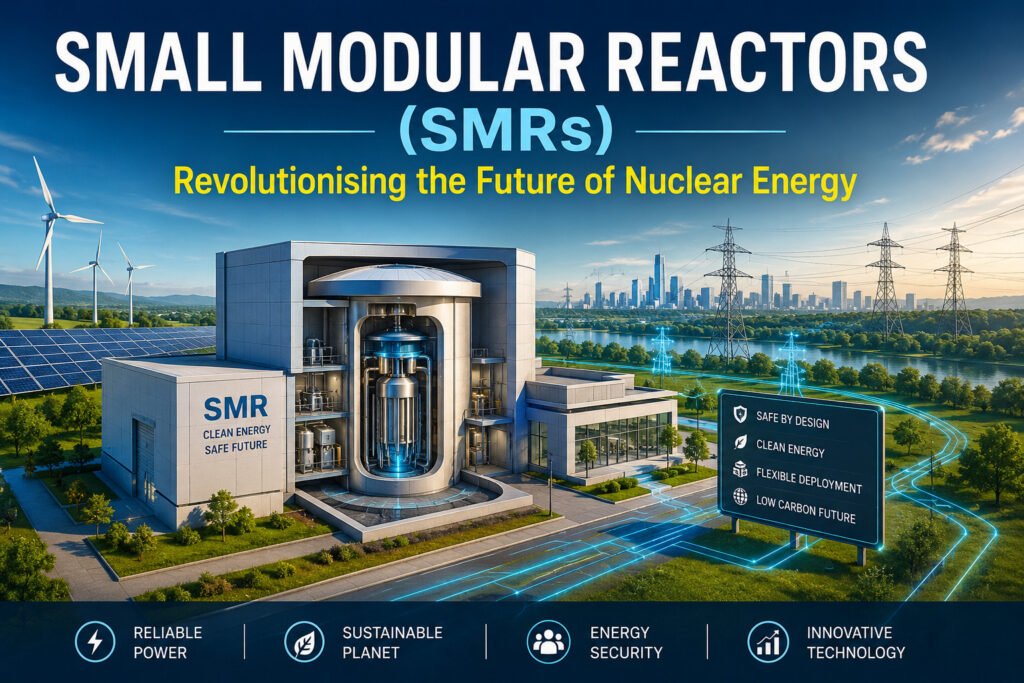
Artist's impression of Small Modular Reactors (SMRs) generating clean electricity, illustrating the future of advanced nuclear energy and low-carbon power generation.

Small Modular Reactors (SMRs): Revolutionising the Future of Nuclear Energy

Small Modular Reactors (SMRs) are emerging as one of the most promising innovations in nuclear energy. Smaller, safer, and more flexible than conventional reactors, SMRs are attracting attention from governments, utilities, and investors worldwide as a potential solution to energy security and climate challenges.

Small Modular Reactors (SMRs): Revolutionising the Future of Nuclear Energy Read More »

Thorium: The Fuel of the Future?

Coming Soon For decades, uranium has been the primary fuel used in commercial nuclear reactors. However, another element—thorium—has attracted growing attention as a potential fuel for future generations of nuclear power. Thorium is more abundant than uranium and is found in significant quantities in countries such as India, Australia, Brazil, and the United States. Many scientists believe that thorium-based fuel cycles could offer advantages in terms of fuel availability, safety, and waste management. India’s long-term nuclear strategy is particularly noteworthy because it includes a dedicated third stage designed to utilise the country’s vast thorium resources. While thorium has yet to achieve widespread commercial deployment, it remains one of the most promising areas of research in advanced nuclear technology. This comprehensive article is currently under development and will explore the science, opportunities, challenges, and future prospects of thorium as a nuclear fuel. What This Article Will Cover What Is Thorium? Discovery and properties Global distribution Comparison with uranium How Thorium-Based Reactors Work Thorium fuel cycle Uranium-233 production Reactor technologies Advantages of Thorium Greater fuel abundance Potential safety benefits Reduced long-lived waste Improved fuel utilisation Challenges Facing Thorium Technical hurdles Commercial viability Infrastructure requirements Economic considerations India’s Thorium Vision Three-stage nuclear programme Advanced Heavy Water Reactors Strategic importance of domestic reserves Global Thorium Research China India Europe United States Could Thorium Power the Future? Emerging technologies Long-term prospects Opportunities and limitations Why This Topic Matters As the world searches for cleaner and more sustainable energy solutions, thorium remains one of the most intriguing alternatives to conventional nuclear fuels. Understanding its potential is essential for anyone interested in the future of nuclear energy. Continue Exploring Nuclear Energy For a broader understanding of how thorium fits into the future of atomic energy, readers may also explore: Nuclear Energy: Powering the Future with the Atom Nuclear Power in India Nuclear Reactor Technologies Explained Uranium & Nuclear Fuel Cycle History and Evolution of Nuclear Power

Thorium: The Fuel of the Future? Read More »

Nuclear Power and Climate Change

Coming Soon As nations strive to reduce greenhouse gas emissions and achieve net-zero targets, the debate surrounding nuclear power’s role in combating climate change has intensified. Supporters argue that nuclear energy is one of the few proven technologies capable of delivering large-scale, low-carbon electricity around the clock. Critics point to concerns regarding cost, waste management, and public acceptance. The challenge of balancing climate goals, energy security, and economic growth has brought nuclear power back into the spotlight as governments evaluate future energy strategies. This article is currently under development and will examine the complex relationship between nuclear energy and climate change, providing readers with a balanced and comprehensive assessment of the opportunities and challenges involved. What This Article Will Cover Climate Change and the Global Energy Challenge Rising energy demand Carbon emissions and global warming Decarbonisation strategies Nuclear Energy as a Low-Carbon Technology Lifecycle emissions Comparison with fossil fuels Comparison with renewable energy The Role of Nuclear Power in Net-Zero Strategies International climate commitments Energy transition pathways Grid reliability considerations Nuclear Power Versus Renewable Energy Complementary technologies Baseload generation Intermittency challenges Global Perspectives Europe United States China India Emerging economies Challenges and Criticisms Cost considerations Project timelines Public perception Waste management concerns Future Opportunities Small Modular Reactors (SMRs) Advanced reactors Hydrogen production Integrated clean energy systems Why This Topic Matters Climate change is one of the defining challenges of the twenty-first century. Understanding the role nuclear power can play in reducing carbon emissions is essential for informed discussions about future energy systems. Continue Exploring Nuclear Energy For a broader understanding of how nuclear power contributes to clean energy and sustainable development, readers may also explore: Nuclear Energy: Powering the Future with the Atom Nuclear Reactor Technologies Explained History and Evolution of Nuclear Power Global Uranium Market and Investment Outlook Nuclear Power in India

Nuclear Power and Climate Change Read More »

Nuclear Safety And Waste Management

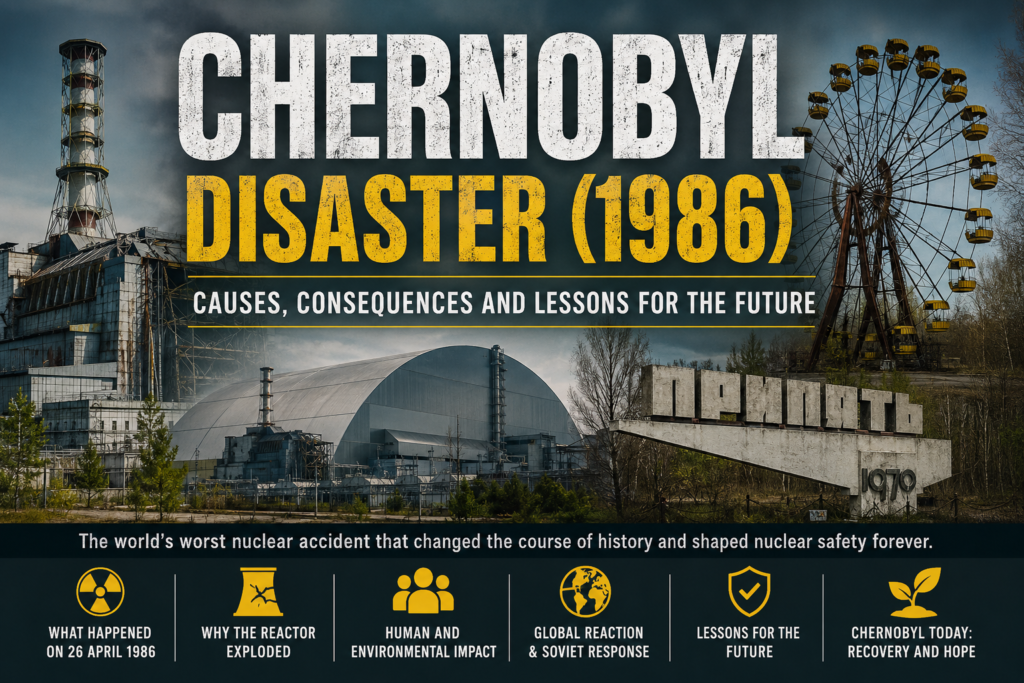
Coming Soon Nuclear energy is widely recognised as one of the most reliable sources of low-carbon electricity. Yet few aspects of the industry attract more attention than nuclear safety and the management of radioactive waste. From reactor design and operational safety systems to spent fuel handling and long-term waste disposal, the nuclear industry has spent decades developing robust procedures and technologies to ensure the safe use of atomic energy. Historical events such as Three Mile Island, Chernobyl, and Fukushima have profoundly influenced nuclear regulations and safety culture worldwide, leading to significant advancements in reactor design and risk management. This comprehensive article is currently under development and will provide readers with an in-depth understanding of how the nuclear industry manages safety and addresses the challenges associated with radioactive waste. What This Article Will Cover Understanding Nuclear Safety The principles of nuclear safety Defence-in-depth philosophy Safety culture within the nuclear industry Reactor Safety Systems Active and passive safety systems Emergency shutdown mechanisms Containment structures Modern reactor safeguards Lessons from Major Nuclear Incidents Three Mile Island Chernobyl Fukushima Daiichi Impact on global regulations Radioactive Waste Explained Types of radioactive waste Low, intermediate, and high-level waste Sources of nuclear waste Spent Nuclear Fuel Management Storage technologies Dry cask storage Reprocessing and recycling Long-Term Waste Disposal Deep geological repositories International approaches Environmental considerations Future Innovations Advanced reactors Waste minimisation technologies Next-generation fuel cycles Why This Topic Matters Public confidence in nuclear energy depends largely on safety and waste management. Understanding how these challenges are addressed provides valuable insight into the realities of modern nuclear power and its role in a sustainable energy future. Continue Exploring Nuclear Energy For a broader understanding of how safety and waste management fit into the world of atomic energy, readers may also explore: Nuclear Energy: Powering the Future with the Atom History and Evolution of Nuclear Power Nuclear Reactor Technologies Explained Uranium & Nuclear Fuel Cycle Nuclear Power in India

Nuclear Safety And Waste Management Read More »

Nuclear Reactor Technologies Explained: From Pressurised Water Reactors to Small Modular Reactors

Coming Soon Nuclear reactors are the heart of every nuclear power plant. They are the sophisticated systems that harness the immense energy stored within atoms and convert it into reliable electricity for homes, industries, and entire nations. Over the past seven decades, reactor technology has evolved significantly. From the early experimental designs of the 1950s to today’s advanced reactors and emerging Small Modular Reactors (SMRs), each generation has sought to improve safety, efficiency, reliability, and sustainability. Understanding reactor technologies is essential for anyone seeking to comprehend how nuclear energy works, why different countries adopt different reactor designs, and how future innovations may reshape the global energy landscape. This comprehensive article is currently under development and will shortly provide readers with a detailed guide to the major nuclear reactor technologies used around the world. What This Article Will Cover Understanding the Basics of a Nuclear Reactor How a nuclear reactor works The role of nuclear fission Heat generation and electricity production Key reactor components Major Components of a Nuclear Reactor Reactor core Fuel assemblies Control rods Coolants Moderators Steam generators Containment structures Pressurised Water Reactors (PWRs) Operating principles Advantages and limitations Global deployment Why PWRs dominate worldwide nuclear power generation Boiling Water Reactors (BWRs) Reactor design and operation Differences from PWRs Operational advantages Major installations around the world Pressurised Heavy Water Reactors (PHWRs) Heavy water technology India’s extensive PHWR programme Fuel flexibility Operational performance Gas-Cooled Reactors Historical development Advanced Gas-Cooled Reactors (AGRs) Performance characteristics Applications and limitations Fast Breeder Reactors (FBRs) How breeder reactors work Fuel multiplication concept Strategic importance India’s fast breeder programme Advanced Heavy Water Reactors (AHWRs) India’s indigenous reactor development Thorium utilisation Future potential Small Modular Reactors (SMRs) What makes SMRs different Modular construction Enhanced safety features Economic considerations Potential applications Generation IV Reactors Advanced reactor concepts Molten Salt Reactors Sodium-Cooled Fast Reactors High-Temperature Gas Reactors Lead-Cooled Reactors Reactor Safety Systems Defence-in-depth philosophy Passive safety systems Containment structures Emergency shutdown systems Reactor Technologies and Climate Change Supporting low-carbon electricity Integration with renewable energy Hydrogen production opportunities Future role in energy transition The Future of Nuclear Reactor Technology Artificial intelligence and digital monitoring Advanced fuels Thorium-based systems Microreactors Next-generation energy solutions Why Understanding Reactor Technologies Matters Not all nuclear reactors are the same. Different reactor designs influence: Safety performance Fuel requirements Operating efficiency Construction costs Waste generation Long-term sustainability As countries seek reliable low-carbon energy solutions, understanding reactor technologies is becoming increasingly important for policymakers, investors, engineers, students, and energy enthusiasts alike. Looking Ahead The future of nuclear power will be shaped not only by public policy and energy demand but also by the evolution of reactor technology itself. From conventional reactors operating today to innovative designs under development, reactor technologies will play a central role in determining how nuclear energy contributes to the world’s future energy needs. The forthcoming article will provide a comprehensive and reader-friendly exploration of these technologies and their significance in the global energy landscape. Stay tuned for the complete article. Related Articles Nuclear Energy: Powering the Future with the Atom The pillar article introducing the science, opportunities, challenges, and future of nuclear energy. History and Evolution of Nuclear Power Explore the scientific discoveries, technological breakthroughs, and historical milestones that shaped the nuclear age. Uranium & Nuclear Fuel Cycle Understand how uranium is mined, processed, enriched, and transformed into fuel for nuclear reactors. Nuclear Power in India Discover India’s unique nuclear programme, reactor technologies, and long-term vision based on uranium and thorium resources. Global Uranium Market and Investment Outlook Examine uranium supply, demand, pricing trends, and the growing role of nuclear power in global energy markets. Return to the Pillar Article For a broader understanding of how reactor technologies fit into the larger picture of atomic energy, readers are encouraged to return to: Nuclear Energy: Powering the Future with the Atom

Nuclear Reactor Technologies Explained: From Pressurised Water Reactors to Small Modular Reactors Read More »

History and Evolution of Nuclear Power

Coming Soon The story of nuclear power is one of humanity’s most remarkable scientific and technological journeys. From the discovery of the atom’s immense energy potential to the development of modern nuclear reactors capable of powering entire cities, the evolution of nuclear energy has profoundly shaped the modern world. Nuclear power has influenced science, industry, national security, global politics, and environmental policy. It has delivered reliable electricity to millions while simultaneously raising important questions regarding safety, waste management, and public acceptance. The history of nuclear power is not merely a chronology of scientific breakthroughs. It is a story of innovation, ambition, triumphs, setbacks, lessons learned, and continuous technological advancement. This comprehensive article is currently under development and will soon provide readers with a detailed exploration of how nuclear energy evolved from a scientific curiosity into one of the world’s most significant sources of electricity generation. What This Article Will Cover The Scientific Foundations of Nuclear Energy The Discovery of Nuclear Fission (1938) The First Controlled Nuclear Chain Reaction (1942) The Birth of Commercial Nuclear Power The Global Expansion of Nuclear Energy (1950s–1970s) Challenges and Turning Points Technological Advancements in Reactor Design The Emergence of Small Modular Reactors (SMRs) Nuclear Power in the Twenty-First Century Why Understanding Nuclear History Matters The future of nuclear energy cannot be fully understood without appreciating its past. The lessons learned from scientific breakthroughs, operational successes, and historical challenges continue to shape today’s nuclear industry. Understanding this evolution provides valuable insights into: A Journey Through the Nuclear Age From the laboratories of pioneering physicists to the advanced reactors of the modern era, the history of nuclear power is a fascinating account of human ingenuity and technological progress. The forthcoming article will trace this extraordinary journey and provide readers with a comprehensive understanding of the milestones that have shaped the nuclear energy industry. Stay tuned for the complete article. Related Articles Nuclear Energy: Powering the Future with the Atom An introduction to the science, significance, opportunities, and challenges of nuclear energy. Uranium & Nuclear Fuel Cycle Explore how uranium is mined, processed, enriched, and transformed into nuclear fuel. Global Uranium Market and Investment Outlook Understand the economics, supply-demand dynamics, and investment opportunities within the uranium sector. Nuclear Power in India Discover India’s unique nuclear programme, reactor technologies, and long-term vision based on uranium and thorium resources.
History and Evolution of Nuclear Power Read More »

Nuclear Power in India

Nuclear Power in India Coming Soon India’s growing economy, rising electricity demand, and commitment to reducing carbon emissions have made nuclear power an increasingly important component of the nation’s long-term energy strategy. While coal continues to dominate India’s power generation mix, nuclear energy offers a reliable, low-carbon source of electricity capable of supporting the country’s ambitions for energy security, industrial growth, and sustainable development. India’s nuclear programme is unique in the world. Built upon decades of scientific innovation and strategic planning, it follows a carefully designed three-stage development pathway aimed at maximising the utilisation of the country’s limited uranium reserves and abundant thorium resources. From the pioneering efforts of Dr Homi Jehangir Bhabha to the development of indigenous reactor technologies and ambitious future expansion plans, India’s nuclear journey is both fascinating and strategically significant. This comprehensive article is currently under development and will shortly provide readers with an in-depth exploration of India’s nuclear power sector, its achievements, challenges, and future prospects. What This Article Will Cover The Evolution of India’s Nuclear Programme Origins of India’s atomic energy programme The vision of Dr Homi Bhabha Key milestones in nuclear development Formation of India’s nuclear institutions India’s Three-Stage Nuclear Power Programme Stage I: Pressurised Heavy Water Reactors (PHWRs) Stage II: Fast Breeder Reactors (FBRs) Stage III: Thorium-based reactors Strategic importance of India’s thorium reserves Major Nuclear Power Plants in India Tarapur Atomic Power Station Rajasthan Atomic Power Station Kakrapar Atomic Power Station Narora Atomic Power Station Kaiga Generating Station Kudankulam Nuclear Power Plant Other operational and upcoming facilities Reactor Technologies Used in India Pressurised Heavy Water Reactors (PHWRs) Light Water Reactors (LWRs) Fast Breeder Reactors Advanced Heavy Water Reactors (AHWRs) Future reactor technologies India’s Nuclear Fuel Cycle Uranium exploration and mining Fuel fabrication and enrichment Reactor operations Spent fuel management and reprocessing Nuclear Safety and Regulatory Framework Safety standards and oversight Role of the Atomic Energy Regulatory Board (AERB) Lessons from global nuclear incidents Emergency preparedness and public safety Nuclear Power and India’s Energy Transition Contribution to electricity generation Role in reducing carbon emissions Complementing renewable energy sources Supporting long-term energy security International Cooperation and Strategic Partnerships India-US Civil Nuclear Agreement Cooperation with Russia, France, and other nations International Atomic Energy Agency (IAEA) safeguards Global partnerships in nuclear technology Future Expansion Plans New reactor projects Capacity addition targets Small Modular Reactors (SMRs) Thorium-based energy development Nuclear power in India’s net-zero ambitions Why Nuclear Power Matters for India India is one of the world’s fastest-growing major economies and among the largest consumers of energy. Meeting future electricity demand while reducing dependence on fossil fuels presents a significant challenge. Nuclear power offers several advantages: Reliable round-the-clock electricity generation Low greenhouse gas emissions Enhanced energy security Reduced dependence on imported fossil fuels Long-term utilisation of domestic thorium resources As India pursues its climate commitments and development goals, nuclear energy is expected to play an increasingly important role in the nation’s energy mix. Looking Ahead India’s nuclear power sector stands at an important crossroads. Advances in reactor technology, growing electricity demand, increasing focus on clean energy, and the country’s unique thorium resources create significant opportunities for future growth. The forthcoming article will examine these developments in detail, offering readers a comprehensive understanding of India’s nuclear journey and its role in shaping the country’s energy future. Stay tuned for the complete article. Related Articles Nuclear Energy: Powering the Future with the Atom Uranium & Nuclear Fuel Cycle Global Uranium Market and Investment Outlook
Nuclear Power in India Read More »

Global Uranium Market And Investment Outlook.

Coming Soon The global uranium market has emerged as one of the most closely watched segments of the energy sector. As countries around the world seek reliable, low-carbon sources of electricity, nuclear power is experiencing renewed interest, driving increased attention towards uranium—the essential fuel that powers nuclear reactors. The uranium industry sits at the intersection of energy security, climate change mitigation, geopolitics, mining economics, and technological innovation. From major producing nations such as Kazakhstan, Canada, and Australia to rapidly expanding nuclear programmes in Asia, the uranium market is undergoing significant transformation. This comprehensive article is currently under development and will shortly provide readers with an in-depth analysis of the global uranium landscape, market dynamics, investment opportunities, and future outlook. What This Article Will Cover The Global Uranium Industry at a Glance History and evolution of the uranium market Major uranium-producing countries Leading uranium mining companies Global reserves and resources Uranium Supply and Demand Fundamentals Current and projected uranium demand Nuclear reactor growth worldwide Supply constraints and production trends Secondary uranium sources and inventories Uranium Pricing and Market Dynamics Spot versus long-term contract markets Key factors influencing uranium prices Historical price trends and market cycles Impact of geopolitical developments Investment Opportunities in the Uranium Sector Uranium mining companies Uranium exchange-traded funds (ETFs) Physical uranium investment vehicles Junior explorers and development projects Risks and rewards for investors Nuclear Renaissance and Future Growth Expansion of nuclear power programmes Small Modular Reactors (SMRs) Advanced reactor technologies Energy transition and decarbonisation initiatives Geopolitical and Strategic Considerations Energy security concerns Supply chain vulnerabilities Role of strategic uranium reserves International nuclear cooperation agreements Outlook for the Next Decade Market forecasts Growth opportunities Potential challenges Long-term investment themes Why This Topic Matters As governments pursue net-zero carbon targets and reliable electricity supplies, nuclear energy is increasingly viewed as an important component of the global energy mix. The resulting demand for uranium is expected to play a significant role in shaping future energy markets and investment trends. Understanding the uranium market is therefore essential for energy professionals, investors, policymakers, students, and anyone interested in the future of clean and secure energy. Stay tuned for the complete article, which will provide detailed insights into one of the most strategically important commodities of the twenty-first century. Related Articles Nuclear Energy: Powering the Future with the Atom Uranium & Nuclear Fuel Cycle Nuclear Power in India

Global Uranium Market And Investment Outlook. Read More »