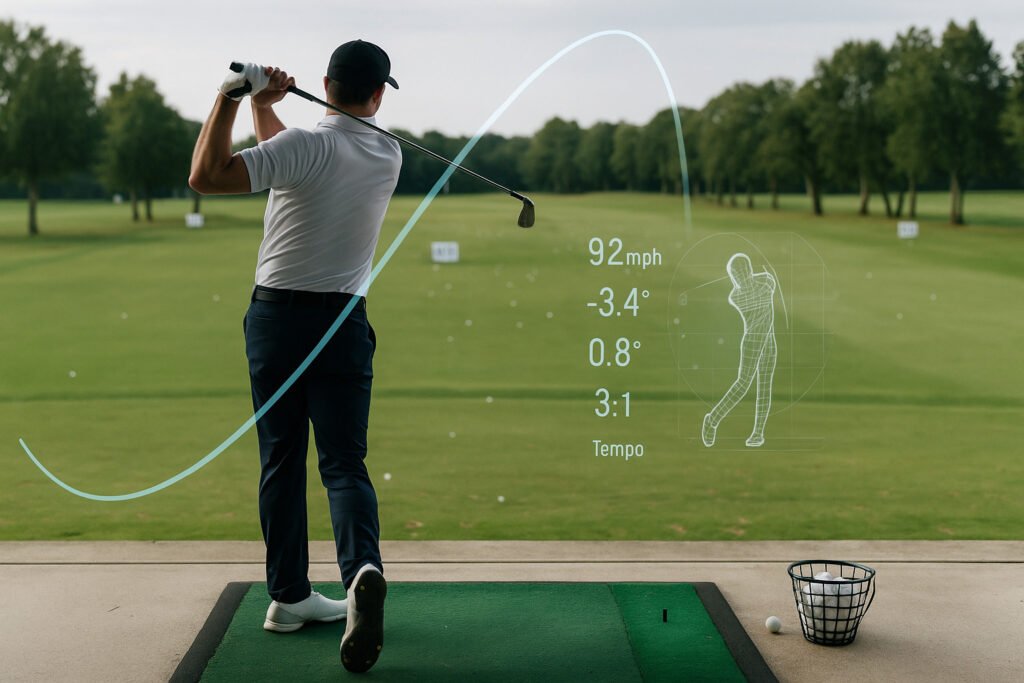
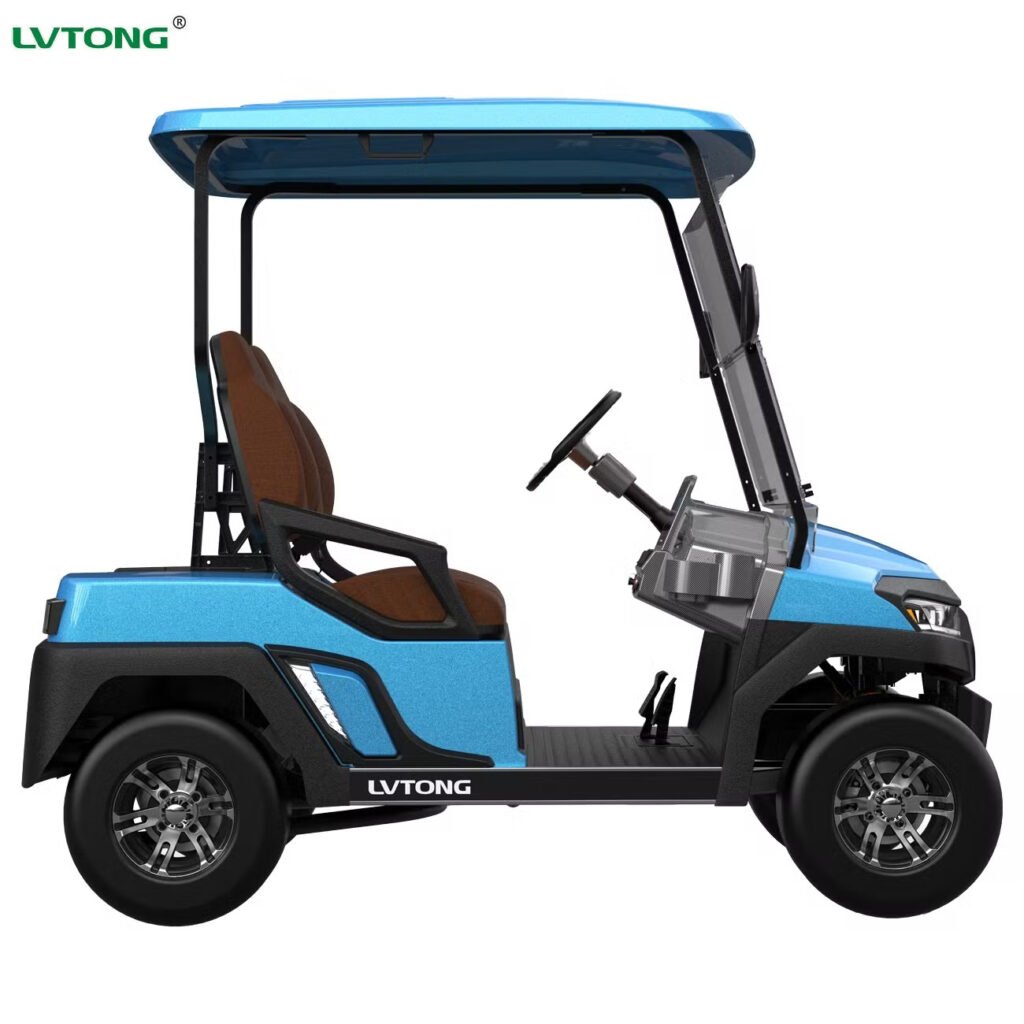
Introduction Golf has always balanced tradition with innovation, and nowhere is this blend more striking today than in the rise of GPS-enabled golf carts. What was once a simple vehicle for moving players from tee to tee has evolved into a sophisticated on-course assistant. From improving pace of play to offering precise shot data, GPS carts are transforming the way modern golfers experience the game. This post explores how these smart carts work, why golf clubs worldwide are investing in them, and what the future holds for cart-based technology. Quick FAQs: GPS Smart Carts Explained 1. What is a GPS smart cart in golf?A GPS smart cart is a golf cart fitted with digital yardage displays, course maps, and tracking tools that help golfers play more efficiently. 2. How does GPS technology help golfers?It provides accurate distances to greens, hazards, and fairway points, reducing guesswork and improving shot-making decisions. 3. Are GPS smart carts easy to use?Yes. They feature simple, intuitive touch screens that even non–tech-savvy players can use comfortably. 4. Does GPS technology speed up the round?Absolutely. Clear yardages and smoother navigation help golfers play faster, improving the overall pace of play. 5. Do all golf courses offer GPS smart carts?Not all, but many modern and premium courses have adopted them — and the number is growing quickly. What GPS-Enabled Golf Carts Actually Do At their core, GPS golf carts use satellite-driven positioning systems to map the golf course with remarkable accuracy. But their capabilities extend far beyond basic location tracking. Most modern GPS carts offer: • Real-time hole maps with distances to the green, hazards, and lay-up points• Dynamic yardages that adjust based on your exact position• Cart-path navigation to avoid restricted areas• Course messaging for weather alerts or pace reminders• Score tracking for players• Pro tips on challenging holes In many clubs, GPS carts now function as a digital caddie, helping golfers make smarter decisions without slowing down play. Fleet Management Systems: The Technology Behind the Scenes For golf course operators, GPS systems are nothing short of revolutionary. Powerful fleet-management dashboards allow staff to: ✔ Track every cart in real timeManagers can see cart locations across all 18 holes at a glance.This reduces delays and improves safety. ✔ Prevent misuse of restricted areasCarts can be programmed to slow down or stop if they approach:• greens• bunkers• lakes• maintenance zones ✔ Monitor battery health and diagnosticsElectric fleets benefit from alerts for battery drain, overheating, or mechanical faults. ✔ Improve pace-of-play managementIf a group falls behind, staff can send a message directly to the cart screen. ✔ Integrate with tee-sheet and booking systemsThis allows seamless coordination between check-in, rentals, and on-course monitoring. Fleet management has become crucial for premium courses, and clubs using these systems often report improved operational efficiency and higher customer satisfaction. How GPS Carts Improve Pace, Accuracy, and Club Selection GPS technology fundamentally enhances decision-making on the course. a) Faster pace of play Players no longer walk around searching for distance markers, guessing yardages, or debating club choice.GPS screens show:• distance to the pin• distance to the front/back of the green• hazard distances• driving-zone boundaries This significantly reduces decision time. b) More accurate shots Instead of relying on estimated yardage plates, golfers receive precise, real-time distances — improving consistency and confidence. c) Better club selection Because GPS identifies landing zones and potential trouble areas, players choose safer, smarter clubs — especially beneficial for mid- and high-handicap golfers. The result is a round that’s not only quicker but more enjoyable, reducing stress and enhancing shot-making. Why Major Golf Courses Worldwide Use GPS Carts Top-tier golf clubs across the US, UK, Europe, Australia, and Asia have embraced GPS-enabled carts for several reasons: ✔ Enhanced player experienceModern golfers expect technology-driven convenience — especially at resort and championship courses. ✔ Increased pace of playThis allows clubs to accommodate more tee times and reduce bottlenecks. ✔ Reduced maintenance costsGPS restrictions prevent damage to greens, bunkers, and sensitive turf areas. ✔ Real-time communicationsWeather warnings, frost delays, and pace reminders can be delivered instantly. ✔ Competitive advantageClubs offering GPS-enabled carts market themselves as premium, future-ready, and golfer-friendly. In many countries, resorts now treat GPS carts as a standard feature, much like high-quality rental clubs. Modern Golfers Future Innovations: What’s Next for Smart Golf Carts? The future of GPS cart technology is promising and rapidly evolving beyond simple distance readings. a) AI-driven shot recommendationsCarts may soon analyse your previous shots and suggest ideal club choices. b) Swing sensors integrated into steering wheelsReal-time swing feedback could become a standard feature. c) Augmented Reality (AR) course overlaysGolfers could see slope maps, wind impact, and ideal aiming lines on screen. d) On-cart video replayImagine having your last drive recorded and viewable instantly. e) Integration with wearable devicesSmartwatches and clubs may sync with the cart for health and swing analytics. f) Autonomous cartsSelf-driving golf carts — already in pilot testing — may become common within years. As technology advances, GPS carts are likely to become the central hub of a golfer’s on-course digital experience. Conclusion GPS-enabled golf carts have redefined the way modern players navigate and enjoy the course. With real-time distances, intelligent fleet management, and the rise of AI-driven features, smart carts are no longer a luxury — they are rapidly becoming an essential part of golf’s digital transformation. Golf’s Digital Transformation FAQs What exactly is a golf GPS smart cart? A golf GPS smart cart is a traditional golf cart fitted with advanced GPS tracking, digital yardage displays, course maps, and real-time scoring features. It helps golfers make informed decisions by offering precise distance information and strategic insights during a round. How does GPS technology improve my game? GPS technology provides accurate yardages to hazards, greens, and fairway landmarks, allowing you to plan shots with confidence. It reduces guesswork, speeds up play, and ultimately helps you make smarter, more consistent decisions on the course. Do all golf courses support GPS-enabled smart carts? Not yet. While many modern and premium courses have adopted GPS smart carts,