Dinesh Joshi

Hi, I’m Dinesh Joshi, an imaginative and experienced content writer with over 36 years of diverse experience in the Pharmaceutical, Steel, and Oil & Gas sectors. My writing is enriched by a deep understanding of these industries and a scientific background, ensuring accurate and highly relevant content for your audience. I possess Blogging, Content Strategy, Creative Writing, and Web Content Writing expertise.

Skye Terrier

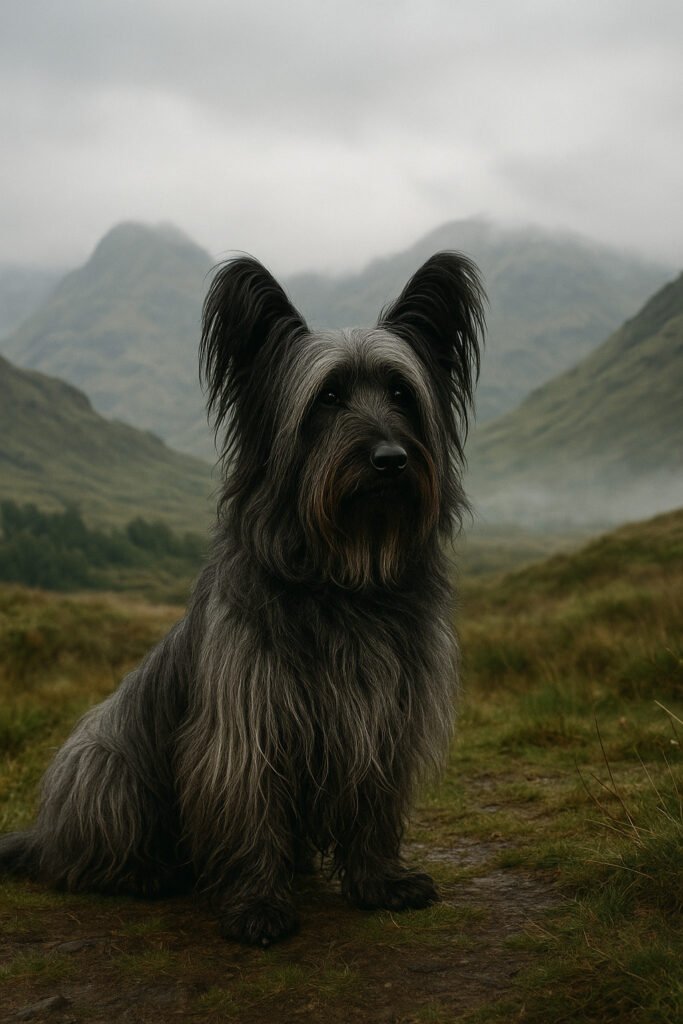
The Skye Terrier is a rare and noble Scottish dog breed celebrated for its unwavering loyalty, quiet courage and deep emotional bond with its owner. Originating from the rugged Isle of Skye, this elegant yet resilient companion has left an indelible mark on history — immortalised through the timeless story of Greyfriars Bobby and the enduring spirit of devotion that defines the breed.

Skye Terrier Read More »

Scotland and London: A Journey Through Greens, Castles, and Timeless Charm

From the luxurious skies aboard Etihad Airways to the tranquil charm of Scotland’s Far North, every moment of this journey was an experience to remember. Between honesty bars, scenic drives in a Jaguar, and a long-awaited game of golf in Nairn, the trip blended comfort, discovery, and a touch of adventure in perfect harmony.

Scotland and London: A Journey Through Greens, Castles, and Timeless Charm Read More »

World Trade Organization (WTO): Shaping Global Trade

Quick Facts: WTO at a Glance Aspect Details Full Name World Trade Organization (WTO) Founded 1 January 1995 Headquarters Geneva, Switzerland Predecessor General Agreement on Tariffs and Trade (GATT, 1947) Members 164 countries (as of now) Purpose Promote free, fair, and predictable global trade; settle disputes; support developing nations Governing Bodies Ministerial Conference, General Council, Specialized Councils Dispute Resolution Dispute Settlement Body with legal authority to impose penalties or authorize trade sanctions Introduction WTO Origin and Formation The WTO’s story began with the General Agreement on Tariffs and Trade (GATT), signed in 1947 by 23 countries eager to reduce tariffs and avoid the trade barriers that had contributed to global instability during the interwar period. As international trade expanded and became more complex, it became clear that GATT alone could not handle disputes, services trade, or intellectual property issues. Negotiations during the Uruguay Round (1986–1994) led to the creation of the World Trade Organization, which officially came into being on 1 January 1995, taking over GATT and adding a permanent institutional structure. WTO Where and How It Operates The WTO is headquartered in Geneva, Switzerland, where diplomats, trade experts, and officials from member countries convene to negotiate rules and resolve disputes. The WTO’s organizational framework includes: Ministerial Conference – The top decision-making body, meeting every two years with trade ministers from all member countries. General Council – Oversees daily operations and supervises dispute settlement and trade policy reviews. Specialized Councils – Focus on goods, services, and intellectual property (TRIPS). Secretariat – Provides technical and administrative support, led by the Director-General. Decisions are usually made by consensus, giving even smaller countries a voice in global trade matters. WTO Members: Who’s In and Who’s Out Currently, the WTO has 164 members, covering nearly all major economies and over 98% of global trade. Membership requires a country to adhere to WTO rules and submit to its dispute resolution processes. Some countries are not members, often due to political or economic reasons: Iran: Application pending; affected by sanctions. North Korea: Maintains a closed economy and limited engagement. Eritrea: Has not applied due to isolationist policies. Turkmenistan: Observer status; formal accession underway. Role of WTO Member Countries Membership comes with rights and responsibilities: Lowering Trade Barriers: Commit to reducing tariffs and eliminating unfair practices. Transparency: Notify WTO of new trade regulations or policy changes. Dispute Participation: Bring conflicts to the WTO and comply with rulings. Support for Developing Nations: Promote fair trade opportunities and technical assistance. By working together, members maintain a predictable global trading environment that benefits all economies. Dispute Resolution and Penalties in WTO The WTO’s Dispute Settlement Mechanism ensures that trade conflicts are resolved legally, not unilaterally. How it works: A member country raises a complaint against another violating WTO rules. A panel of trade experts examines the issue and issues recommendations. If the offending country ignores the ruling, the WTO can authorize trade sanctions or retaliatory measures. This structured system discourages arbitrary barriers and encourages adherence to agreed norms. Major WTO Disputes and Authorized Trade Penalties Dispute / Case Year(s) Countries Involved Issue WTO Ruling / Penalty Banana Dispute 1990s–2009 United States vs. European Union EU’s preferential treatment of banana imports from former colonies WTO ruled in favor of the U.S.; EU allowed to adjust policies; authorized retaliatory tariffs on certain U.S. goods Aircraft Subsidies 2004–2020 U.S. vs. EU Illegal government subsidies to Boeing (U.S.) and Airbus (EU) Both sides allowed to impose retaliatory tariffs worth billions of dollars Softwood Lumber 2002 Canada vs. U.S. U.S. imposed higher tariffs on Canadian softwood lumber WTO sided with Canada; U.S. could temporarily continue tariffs until settlement; structured retaliation permitted Solar Panel Dispute 2013–2018 India vs. U.S. “Buy American” duties on Indian solar panels WTO ruled in India’s favor; India allowed to retaliate with trade sanctions on U.S. imports if needed Key Takeaways: The WTO does not expel countries; penalties are usually trade-based sanctions or suspension of concessions. The Dispute Settlement Mechanism ensures all member countries, large or small, comply with agreed rules. Retaliation is legalized by the WTO, maintaining fairness and accountability in global trade. WTO : Challenges and the Future The WTO faces significant modern challenges: Trade Protectionism: Rising tariffs and nationalistic policies threaten free trade. Stalled Negotiations: Disagreements among major economies slow progress. Digital Economy: Rules for e-commerce and data flows need updating. Appellate Body Crisis: Judge appointments blocked, slowing dispute resolution. Despite these hurdles, the WTO remains a critical multilateral institution, fostering cooperation, reducing trade conflicts, and supporting developing economies. Conclusion From its post-war origins in GATT to the sophisticated dispute settlement processes of today, the WTO has become a cornerstone of global trade. By encouraging transparency, fair play, and dialogue, it helps countries navigate the complex web of international commerce — reminding the world that trade is not just an economic activity, but a bridge between nations.

World Trade Organization (WTO): Shaping Global Trade Read More »

The Mohallas of Almora: Migration, Memory, and Identity.

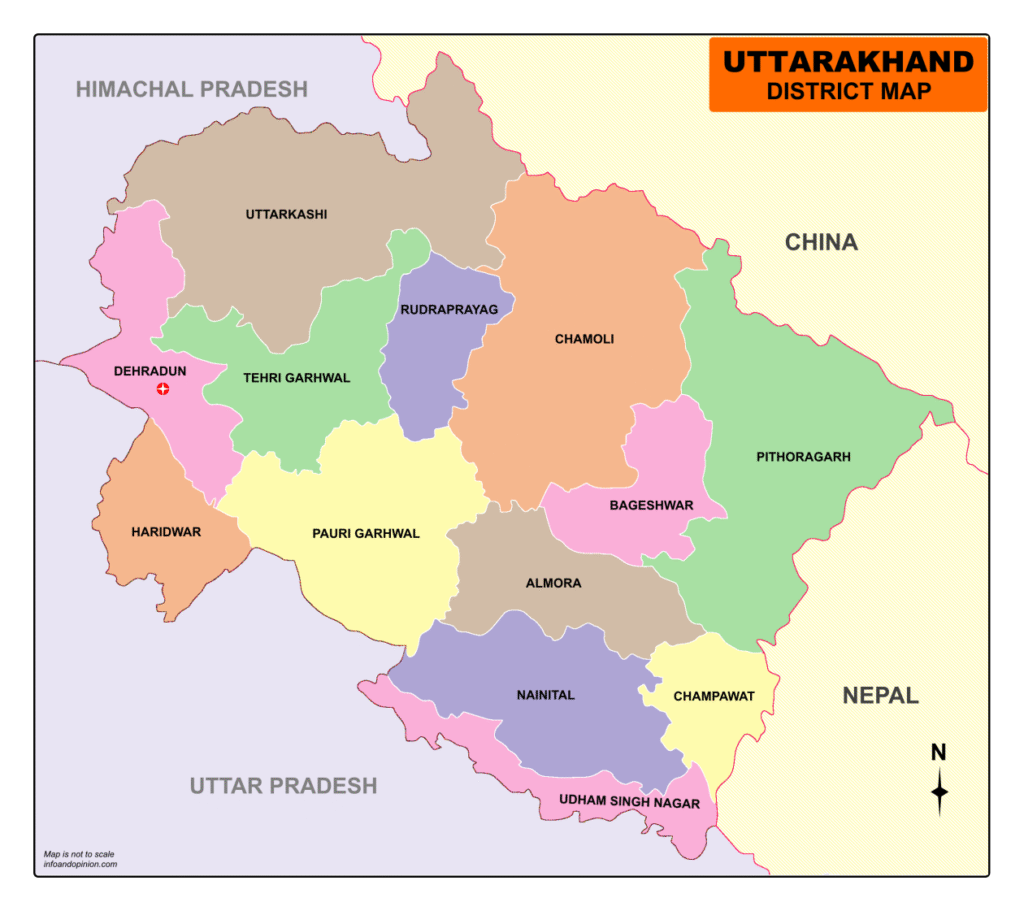
One of the unique features of Almora’s social and cultural landscape is how many of its neighborhoods (mohallas) are named after the villages from which their early settlers came. This tradition gave new settlers a sense of belonging in the town while keeping their ancestral identity alive. Some notable examples include: Danya Mohalla – Named after settlers from Danya Village in Almora district. Jhijjad Mohalla – Settlers here traced their roots to Jhijjad Village. Pali Mohalla – Originating from Pali Village, whose families moved to Almora for trade and services. Kaflikhan Mohalla – Named after Kaflikhan Village. Takula Mohalla – Linked to families from Takula, a well-known block and village area in Almora. Suyal Mohalla – Associated with Suyal Village/region, reflecting the migration of Suyal community members. Ranikhet Mohalla – Named after families who shifted from the Ranikhet region. Barechhina Mohalla – Derived from Barechhina Village, a settlement on the Almora–Pithoragarh road. These mohallas tell a story of migration — people moving from villages to Almora town in search of opportunities but carrying their identity with them. Over generations, the names remained, turning into living reminders of Almora’s cultural map and the deep ties between town and countryside.  

The Mohallas of Almora: Migration, Memory, and Identity. Read More »

Bhairav Devta: The Fierce Guardian of Uttarakhand

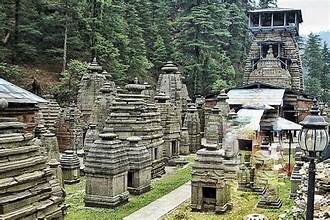
Why Bhairav is Worshipped  Legend says that Lord Shiva created Bhairav out of his fiery anger to uphold cosmic justice and punish arrogance. In Uttarakhand, Bhairav is seen as the rakshak (protector) — the one who keeps away misfortune, animal attacks, epidemics, and natural calamities. Villagers still believe that neglecting Bhairav invites hardship, while pleasing him ensures prosperity, good harvests, and protection from unseen forces. Bhairav (Eight Forms) The Asht Devotees across the hills recognize Asht Bhairav, the eight manifestations of Bhairav, each embodying a different form of protection: Asithaanga Bhairav – Purifier of thoughts and desires. Ruru Bhairav – The teacher and giver of wisdom. Chanda Bhairav – Fierce destroyer of evil energies. Krodha Bhairav – Righteous anger against injustice. Unmatta Bhairav – Dissolver of pride and ego. Kapala Bhairav – Guardian against disease and ill omens. Bheeshana Bhairav – Upholder of truth and justice. Samhara Bhairav – The destroyer of ignorance and evil. Together, they form a divine shield — worshipped as Asht Bhairav, the eight protectors.   Folk Beliefs and Practices in Kumaon & Garhwal  Village Protector: Almost every Kumaoni village has a Bhairav temple at its entrance. Locals believe he protects cattle, crops, and homes. Before a harvest or cattle fair, offerings are made to seek his blessings. Dreams and Omens: Folklore says that Bhairav Devta often appears in dreams — sometimes as a rider on a black horse, other times accompanied by his sacred dog. Villagers believe such visions signal both warning and protection. Bhairav Jagar: A unique Kumaoni ritual where singers, in a trance-like state, narrate the tales of Bhairav through songs and storytelling. The deity is invoked to enter the gathering and bless the community. Dogs as Divine Beings: Since Bhairav’s vehicle (vahana) is the dog, feeding stray dogs is considered an offering to Bhairav himself. In many homes, this act is performed before starting a journey or a new venture. Festivals and Sacrifices: During annual village fairs (melas), goats are sometimes offered as sacrifice to Bhairav, symbolizing the offering of ego and negativity. Local Folklore  The Protector of Cattle: In the Almora region, elders narrate that when wild animals attacked village cowsheds at night, villagers prayed to Bhairav Devta. Soon, the attacks stopped — reinforcing faith in him as the eternal guardian of livestock. The Boundary Guardian: In Pithoragarh, people say that no outsider can cross village boundaries with ill intent if Bhairav Devta’s temple stands guard. Thieves and wrongdoers are believed to lose their way or fall ill until they confess. Bhairav’s Warning: A popular belief in Kumaon says that if a dog howls continuously near midnight facing a temple, it means Bhairav is warning the villagers of some danger — and rituals must be performed the next day. The Living Faith  To this day, Bhairav Devta is not just a figure of mythology but a living presence in Uttarakhand. His shrines, stories, and rituals continue to guide communities — teaching them the eternal balance between fear and devotion, justice and protection. For the people of Uttarakhand, Bhairav Devta remains what he has always been: the fierce protector, the guardian of truth, and the eternal companion of their lives in the mountains. Famous Bhairav Temples in Kumaon Chitai Bhairav Temple (Almora): Perhaps the most famous Bhairav shrine in Kumaon, known as Chitai Golu Devta’s guardian. Devotees believe Bhairav here acts as the divine protector of justice. The temple is filled with bells and petitions written by devotees. Bhairav Temple, Danya (Almora District) :  Bhairav Devta is worshipped as the village guardian. A strong example of how faith is deeply rooted in daily life. Nanda Devi Raj Jat Route Shrines (Kumaon linkages) Along the path of the famous Nanda Devi Raj Jat Yatra, several small Bhairav shrines exist, where pilgrims stop to seek protection before moving further. Bhairav Temple, Jageshwar : Near the famous Jageshwar Dham (a cluster of Shiva temples), there is a shrine dedicated to Bhairav Devta, reinforcing his role as the guardian of Shiva temples Famous Bhairav Temples in Garhwal Kal Bhairav Temple (Kedarnath): Just 500 meters from the Kedarnath temple, this shrine is dedicated to Kal Bhairav. He is considered the protector of Kedarnath Dham. Devotees believe that during winter, when the Kedarnath temple closes, the deity of Kedarnath rests under the watch of Bhairav. Bhairav Temple, Badrinath: Near the sacred Badrinath shrine, Bhairav Devta is worshipped as the guardian deity who protects the valley during heavy snow and harsh winters. Asi Ganga Bhairav Temples (Uttarkashi) : Several Bhairav shrines exist along the Asi Ganga valley, where villagers worship him for protection against natural calamities like floods and landslides. Bhairav Temple, Haridwar : Close to the ghats, there are ancient Bhairav shrines where pilgrims seek protection before performing sacred dips in the Ganga. Bhairav Temple, Joshimath : Here, Bhairav Devta is considered the protector of the Narasimha temple and the region. Importance of Bhairav temples in Uttarakhand They show Bhairav’s role as protector of major dhams (Kedarnath, Badrinath). They connect village-level worship (Danya, Jageshwar, Uttarkashi) with pan-Himalayan traditions. Offerings and Prayers for Bhairav Bhairav Devta, a powerful form of Lord Shiva, is worshipped across Uttarakhand and many other parts of India as the fierce protector, remover of obstacles, and guardian deity. Devotees believe that sincere prayers to Bhairav bring protection, justice, and blessings of strength and prosperity. Common Offerings to Bhairav Alcohol (especially liquor) – Traditionally, offerings of country liquor or other spirits are made at Bhairav temples, symbolizing surrender of ego and seeking divine protection. Black Gram (Urad Dal) – Represents purity and devotion, often offered along with rice. Mustard Oil and Black Sesame Seeds – Poured over the idol or offered in lamps to please Bhairav. Red Flowers & Garland – Marigolds, hibiscus, and red roses are considered sacred to Bhairav. Meat & Non-vegetarian Food – In many traditions, meat is offered, though symbolic vegetarian substitutes are also used nowadays. Dogs (Bhairav’s Vahana) – Feeding black dogs with milk, sweets, or chapatis is considered a

Bhairav Devta: The Fierce Guardian of Uttarakhand Read More »