Dinesh Joshi

Hi, I’m Dinesh Joshi, an imaginative and experienced content writer with over 36 years of diverse experience in the Pharmaceutical, Steel, and Oil & Gas sectors. My writing is enriched by a deep understanding of these industries and a scientific background, ensuring accurate and highly relevant content for your audience. I possess Blogging, Content Strategy, Creative Writing, and Web Content Writing expertise.

The Birth of Uttarakhand: How India’s 27th State Came Into Being

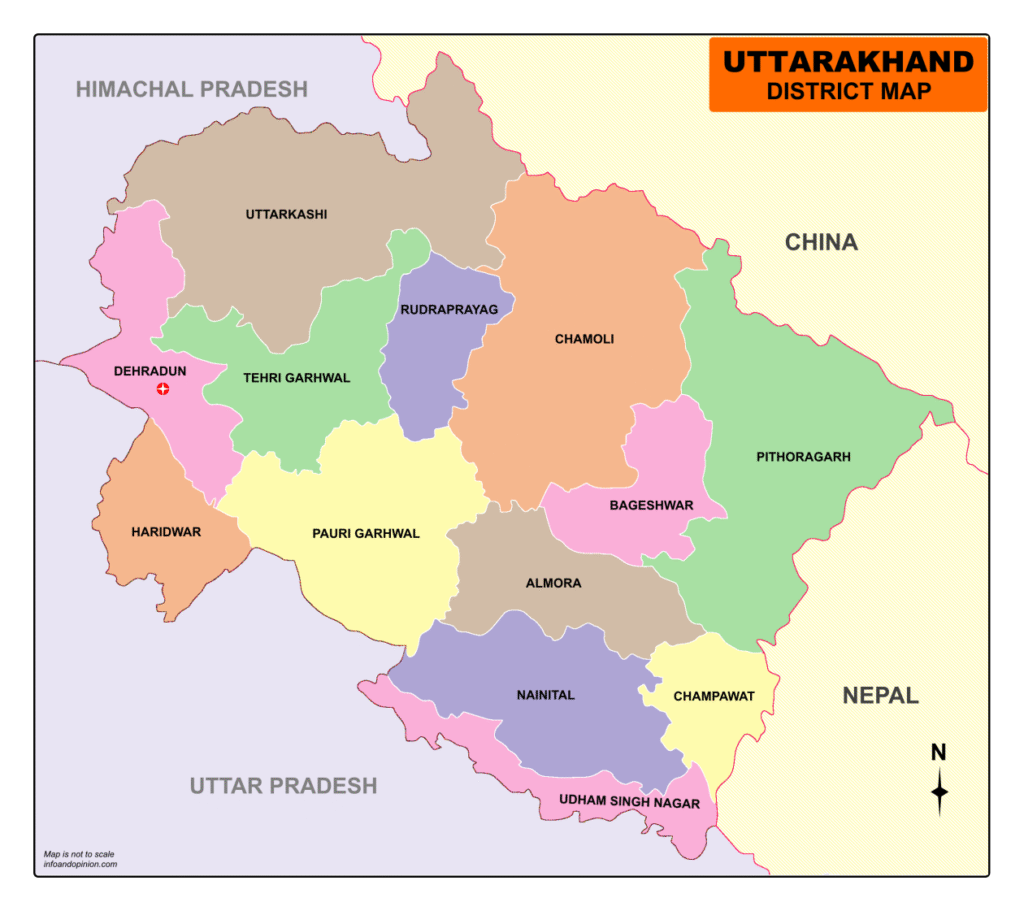
Where Myths Meet Modernity: The Story Behind Uttarakhand’s Creation The story of Uttarakhand’s birth is as compelling as its myths and mountains. After decades of aspirations, peaceful protests, and the unyielding spirit of its hill people, Uttarakhand emerged as India’s 27th state on 9th November 2000.Carved out of Uttar Pradesh under the Uttar Pradesh Reorganization Act, this new state was born out of a quest for identity, equity, and focused development. Its creation was not merely an administrative act — it was a recognition of a region whose culture, geography, and faith had always stood distinct, echoing the resilient voice of the Himalayas. The Statehood Movement: A Voice from the Hills Background : The Early Voices for Statehood The demand for a separate hill state in what is now Uttarakhand first emerged in the 1930s, when social reformers and intellectuals such as Anusuya Prasad Bahuguna, Indramani Badoni, and Daulat Ram Joshi began voicing concerns about the administrative neglect of the hilly regions of Garhwal and Kumaon under the vast governance structure of United Provinces (later Uttar Pradesh). They argued that the region’s unique geography, scattered population, and fragile mountain ecology required a distinct administrative approach — something the plains-centric policies of Lucknow failed to provide.Over the following decades, this sentiment evolved from cultural assertion into a political movement, gaining momentum especially after India’s independence. By the 1970s and 1980s, the Uttarakhand Kranti Dal (UKD) formally championed the cause of statehood, emphasizing issues such as unemployment, lack of educational institutions, poor infrastructure, and the migration of youth from the hills.The call for a separate identity reached its peak in the 1990s, after repeated droughts, inadequate disaster response, and the perception that the voices of the hill people were drowned out in the politics of the populous plains. For the people of Garhwal and Kumaon, statehood was not merely about political separation but about preserving their culture, ensuring equitable development, and protecting the ecological balance of the Himalayas.   Parliamentary Action: From Bill to Statehood The long-standing aspirations of the people of Garhwal and Kumaon finally reached the national stage in the year 2000. Responding to decades of persistent demand and growing political consensus, the Central Government introduced the Uttar Pradesh Reorganisation Bill, 2000, in the Lok Sabha. The Bill sought to carve out a separate hill state from Uttar Pradesh, acknowledging the region’s distinct cultural, geographical, and developmental identity.After deliberation and debate, the Bill was passed by both Houses of Parliament — the Lok Sabha and the Rajya Sabha — marking a historic step toward fulfilling a long-cherished dream. The legislation subsequently received the President’s assent on 1st August 2000, officially clearing the way for the creation of India’s 27th state.Just a few months later, on 9th November 2000, the new state of Uttaranchal (later renamed Uttarakhand in 2007) was formally inaugurated, turning decades of hope, struggle, and identity into constitutional reality. Official Notification: The Birth of a New State Following the President’s assent to the Uttar Pradesh Reorganisation Act, 2000, the Government of India issued an official notification formally declaring the creation of a new state. The notification came into effect on 9th November 2000, a date now celebrated every year as Uttarakhand State Foundation Day.On this day, Uttaranchal — as it was initially named — was carved out of the northern hill districts of Uttar Pradesh, marking the realization of a dream nurtured for decades by the people of the Garhwal and Kumaon regions. Dehradun was designated as the provisional capital, while Nainital became the judicial seat.The formation of the new state was more than an administrative exercise — it was a moment of immense emotional and cultural significance. For millions across the hills, 9th November symbolized the recognition of their unique identity, environmental challenges, and developmental aspirations. The creation of Uttarakhand thus stood as a testament to the power of peaceful movements and democratic persistence in shaping India’s federal story. Result and Renaming: The Emergence of Uttarakhand On 9th November 2000, history was made as the new state of Uttaranchal — now known as Uttarakhand — was officially carved out of Uttar Pradesh, becoming India’s 27th state. This marked the culmination of a long and determined struggle for recognition and self-governance by the people of the hill regions.Dehradun was declared the interim capital, serving as the administrative hub of the fledgling state, while Nainital continued its legacy as the seat of justice, housing the High Court of Uttarakhand.A few years later, in 2007, the state’s name was officially changed from Uttaranchal to Uttarakhand, a move that resonated deeply with the people’s cultural sentiment and historical identity. The word “Uttarakhand” — meaning “Northern Land” — carries ancient roots, evoking the spiritual and mythological heritage that has always defined the region’s soul. In Brief The Uttar Pradesh Reorganisation Act, 2000 was passed by Parliament and approved by the President of India on 1st August 2000. The Act came into effect on 9th November 2000, officially creating the new state of Uttaranchal — now known as Uttarakhand.

The Birth of Uttarakhand: How India’s 27th State Came Into Being Read More »

The Government of India’s policies for setting up fuel retail outlets

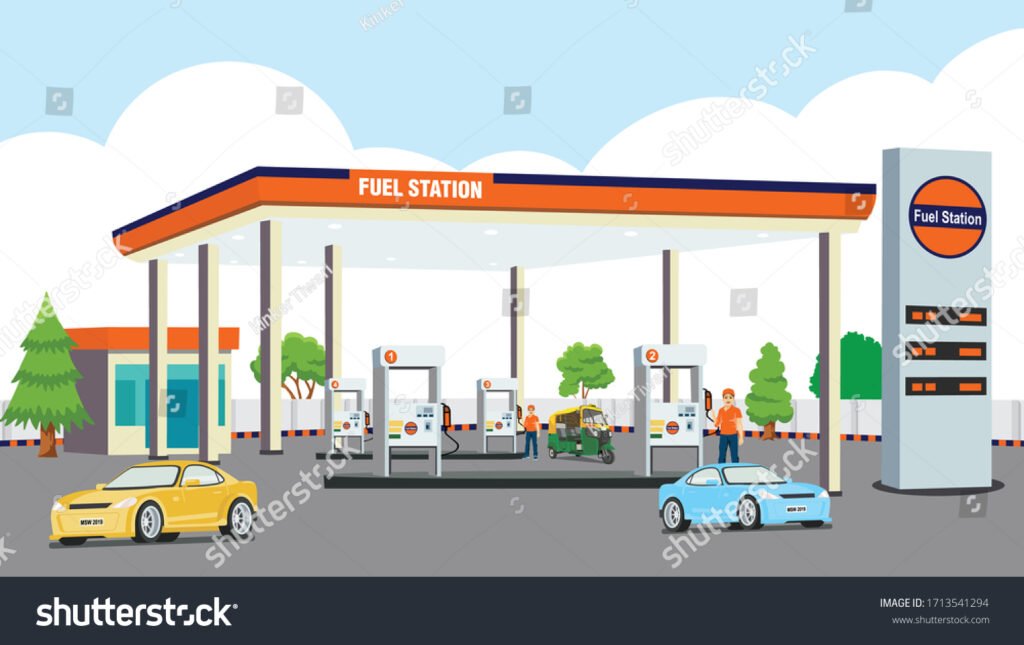
Key Policy Details In a resolution dated 08 Nov 2019, the MoPNG issued new guidelines for authorisation to market transportation fuels (motor spirit – petrol, and high speed diesel) to be used in both retail and bulk business. Press Information Bureau+2The Economic Times+2 Under these guidelines, for retail authorisation, an entity must have a minimum net worth of ₹250 crore for retail-only business (or ₹500 crore if both bulk and retail). Press Information Bureau+1 The entity must commit to establishing at least 100 retail outlets of which 5 % must be in notified remote areas within five years. Press Information Bureau+1 Additionally, authorised outlets must within three years of operation offer one or more alternate-fuel infrastructure (e.g., CNG, LNG, biofuels, EV charging) at the retail site. Press Information Bureau+1 News reports indicate the government is currently reviewing these norms and may further ease them to attract more players into the fuel-retail space.

The Government of India’s policies for setting up fuel retail outlets Read More »

Petroleum Products – Retail & Distribution in India

Products – Retail & Distribution in India India’s petroleum retailing and distribution system is a complex, regulated, and evolving sector. It involves multiple stakeholders, varied products (petrol/diesel, LPG, etc.), and touches both urban and rural consumers. Below is an outline covering the major players, scale, challenges, and future directions. Key Players in Petroleum Retailing These are the main categories and companies involved in retailing petroleum products, particularly petrol & diesel: Public Sector Oil Marketing Companies (OMCs) Indian Oil Corporation Ltd (IOCL) Bharat Petroleum Corporation Ltd (BPCL) Hindustan Petroleum Corporation Ltd (HPCL) Private Sector Retailers Nayara Energy (formerly Essar Oil) Reliance-BP (Joint Venture) Shell (a small presence) Others/Smaller private players Government & Regulatory Bodies Ministry of Petroleum & Natural Gas (Government of India) Petroleum Planning & Analysis Cell (PPAC) State governments in some cases (for local policy and permissions) Distributors and Dealers Individual authorized dealerships that operate petroleum retail outlets (fuel pumps). Logistics/distribution (tankers, pipelines) to get product from refineries/terminals to retail outlets. LPG Bottling & Distribution Companies Public sector (Indane/IOCL, Bharat Gas, HP Gas) Private LPG firms (Totalgaz, Jyothi Gas, etc.) Bottling plants, cylinder manufacturers, distributors Ancillary / Supporting Players Pipeline companies (for product transport) Storage terminals Equipment suppliers (pumps, meters, safety equipment) Technology providers (for digital payments, tracking, fuel quality monitoring, etc.) Number of Petrol Pumps in India, Company-Wise Here are recent figures and estimates for petrol / fuel-outlets (petrol pumps), by company, and general scale: Company / Category Approximate Number of Petrol Pumps / Retail Outlets Notes IOCL ~ 35,000-40,000+ petrol pumps www.bajajfinserv.in+4Angel One+4Business Standard+4 Market leader; large rural and urban presence. BPCL ~ 23,900 (≈ 24,000) outlets Angel One+2crustdata.com+2 Second major PSU. HPCL ~ 23,900 (≈ 23,900) outlets Angel One+2crustdata.com+2 Close to BPCL in outlet count. Nayara Energy ~ 6,700 petrol pumps Angel One+2The Economic Times+2 Largest private retailer. Reliance-BP (Jio-BP) ~ 1,900-2,000 outlets Angel One+1 Growing private JV footprint. Shell ~ 300–400 outlets Angel One+1 Limited presence compared to PSUs & private big players. Total number of petrol pumps (public + private) in India is large, varying with date, but recent estimates show ~ 80,000-90,000 retail outlets. Data Collected From Business Standard+3The Economic Times+3Moneycontrol+3 Among them, the public sector (IOCL, BPCL, HPCL) continues to dominate. Data Collected from  Firstpost+2Moneycontrol+2 Number of LPG Distribution Companies / Dealers LPG (Liquefied Petroleum Gas) is another critical petroleum product in India, primarily used for cooking (domestic), but also industrial & commercial users. Key points: Indane (IOCL’s brand) is the largest LPG distributor brand in India. Wikipedia+1 Indane has over 12,500 distributors across India, operating in more than ~6,250 towns. Wikipedia IOCL has 91 bottling plants for LPG. Wikipedia Other major LPG distributing entities include Bharat Gas (BPCL), HP Gas (HPCL), and multiple private LPG players operating at regional or local levels. (Some private LPG companies operate in specific states or for commercial/industrial usage.) Fincash The Federation of LPG Distributors of India (FLPGDI) represents over 12,000 distributors affiliated with the three major OMCs (IOCL, BPCL, HPCL) across 23 states. flpgdi.com Regulatory Environment / Licensing Norms The Government of India’s policies for setting up fuel retail outlets (e.g., minimum number of outlets required, investment norms, rural-area mandates). News Arena India+1 Rules around LPG distribution (control orders, safety norms, pricing, subsidy mechanisms). Infrastructure & Logistics How fuels are transported (pipelines, coastal shipping, road/rail & tankers) Storage terminals, bottling plants for LPG, safety systems Urban vs Rural Reach The spread of pumps is not uniform; rural areas are often less served unless by PSUs. Similarly, LPG reach under schemes such as Ujjwala has sought to expand domestic cooking gas in poorer households. Product Mix & Add-ons Besides petrol & diesel, many pumps also dispense CNG, LNG, LPG auto-fuel in some areas. EV charging facilities: increasing number of fuel stations are adding EV chargers. Business Standard Competition & Pricing Dynamics Private companies like Nayara, Jio-BP offering competitive pricing compared to PSUs. Moneycontrol+1 The effect of international crude oil prices, exchange rates, taxes, and subsidies. Technology & Digitalisation Automation, digital payments, app-based fuel booking etc. Monitoring quality, measuring fuel adulteration, customer satisfaction. Sustainability & Alternative Fuels Growing relevance of clean fuels, biofuels, blending (e.g. ethanol in petrol, biodiesel) EV charging infrastructure being integrated into fuel pumps. Business Standard Challenges & Bottlenecks Permission and land availability issues for opening new petrol pumps Safety, environment, pollution issues Distribution losses, leakage, adulteration, logistic inefficiencies Competition from alternate energy / policy push toward greener fuels Recent & Proposed Policy Changes Changes in norms for licensing of retail outlets (e.g., net worth requirement, rural quotas). News Arena India+1 Moves to liberalize or privatize various parts of the supply chain, or to allow more private players in LPG supply.

Petroleum Products – Retail & Distribution in India Read More »