Table of Contents
Toggle1. Introduction: The New Age of Innovation
We stand at the threshold of a new era where technology is not merely a tool—it is a transformative force redefining the way we live, work, and think. From artificial intelligence to renewable energy, the world is being reshaped by innovation at a pace once thought impossible. This post explores the revolutionary fields driving the future and the human responsibility that accompanies such immense power. 🔙From Imagination to Innovation: Frontiers of Wonder:
https://wolverinespeaks.com/beyond-science/Begin your journey into the realm of human curiosity and discovery — where imagination meets innovation, and the seeds of the future are sown.
2. Artificial Intelligence: The Thinking Machine
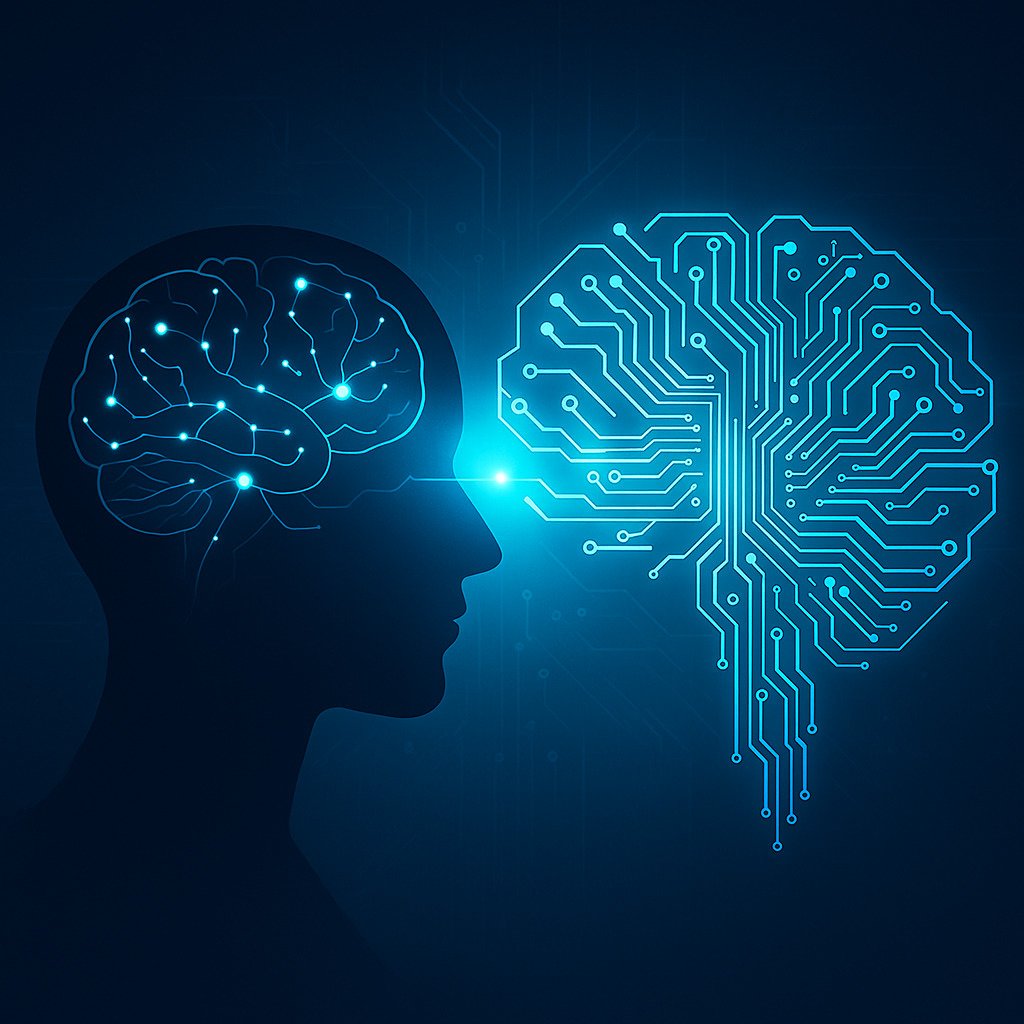
Artificial Intelligence (AI) has emerged as the cornerstone of modern innovation. It enables machines to learn, reason, and even create, often surpassing human accuracy and speed. AI is now embedded in daily life—from personalized healthcare and autonomous vehicles to predictive analytics and creative art generation. Yet, as machines become more capable, ethical concerns about bias, job displacement, and control take center stage. The challenge lies in ensuring AI remains a tool of empowerment, not exploitation.👉Learn more about how AI is redefining human creativity → [Read full post]
3. Robotics: The New Workforce
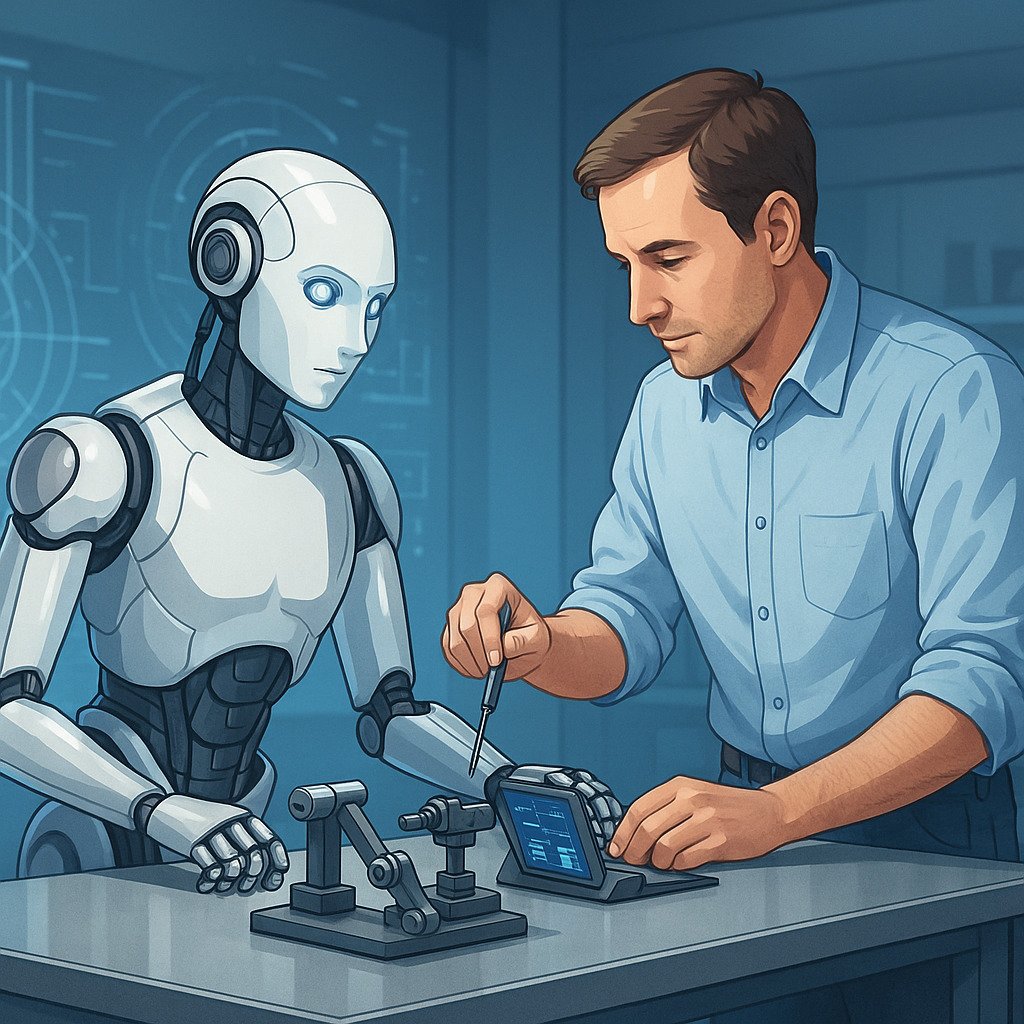
Robots are no longer confined to assembly lines. They perform surgeries, explore Mars, and even provide companionship to the elderly. The fusion of robotics and AI is creating intelligent machines capable of adaptive learning and decision-making. However, this technological leap raises deep questions about the role of humans in the future workforce. Will humans and robots coexist in harmony, or will automation redefine the essence of human labor?👉Explore the rise of intelligent robots → [Read full post]
4. Biotechnology: Engineering Life Itself
Biotechnology is reshaping medicine, agriculture, and even human evolution. Techniques like CRISPR have made gene editing a reality, enabling scientists to cure genetic disorders and improve crop yields. Personalized medicine and lab-grown organs are no longer science fiction—they are emerging realities. Yet, such power demands moral scrutiny, as altering life at its genetic level blurs the line between innovation and interference.👉“Discover how biotechnology is reshaping human life → [Read full post]”
5. Quantum Computing: Cracking the Code of Complexity
Quantum computing promises to revolutionize how we solve problems once deemed unsolvable. By leveraging quantum bits (qubits) instead of traditional binary systems, quantum machines can process vast data sets at unimaginable speeds. They hold the potential to transform fields like cryptography, material science, and drug discovery. However, widespread accessibility and security implications remain significant challenges.👉Understand the future of computing → [Read full post]
6. Renewable Energy: Powering a Sustainable Future
The transition to renewable energy is one of humanity’s greatest challenges—and achievements. Advancements in solar, wind, and hydrogen technologies are enabling a cleaner, more sustainable planet. Smart grids and energy storage innovations are improving efficiency and accessibility. As technology leads the way toward decarbonization, collaboration between nations and industries becomes vital to achieving global sustainability.👉“See how renewable energy is driving sustainability → [Read full post]”
6. Renewable Energy: Powering a Sustainable Future
The Internet of Things (IoT) connects billions of devices, from smart homes to industrial machinery. This interconnectedness enhances efficiency, safety, and convenience. However, it also introduces new vulnerabilities—cybersecurity threats, data breaches, and concerns over digital surveillance. The future of IoT will depend on how we balance innovation with privacy and control. 👉“Explore how IoT is connecting the world → [Read full post]”
For readers interested in how solar activity affects modern technology beyond energy systems, explore our detailed analysis on aviation safety and high-altitude radiation exposure:
When the Sun Strikes the Skies: Solar-Radiation Risk and the Airbus A320 Family
7. The Human Side of Technology: Challenges and Responsibilities
As technology advances, it reshapes not only systems but also societies. While innovation promises progress, it also creates digital divides, privacy erosion, and mental health concerns. We must ensure technology serves humanity—not the other way around—by promoting ethical innovation, inclusivity, and human-centered design.👉“Reflect on the human dimension of technology → [Read full post]”
8. Conclusion: Shaping Tomorrow with Wisdom
Technology’s future is boundless, but its direction depends on us. If harnessed wisely, it can elevate humanity, bridge divides, and restore balance between progress and sustainability. The goal is not to resist change, but to guide it—with foresight, empathy, and wisdom—toward a future where innovation uplifts all.