Introduction: The Gut Story We Never Really Heard in School
Most of us grew up believing that the gut was just a food-processing machine—nothing more, nothing less. But modern science paints a different picture. Your gut is not just a digestive organ; it is a command center influencing immunity, mental well-being, energy levels, and long-term health. This post uncovers the surprising power of the gut and why nurturing it may be the smartest health decision you make.
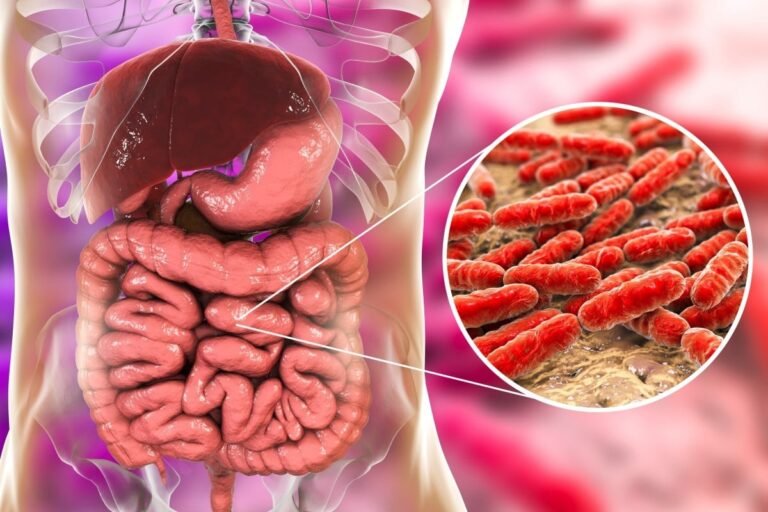
In school, we learned basic digestion—food goes in, nutrients get absorbed, waste goes out. Simple. But what we were not taught is that the gut is home to trillions of organisms, communicates with the brain, produces hormones, trains immunity, and even affects mood. It is an ecosystem, a control tower, and a second brain all in one.🔙“Human Health & Mind: A Complete Guide to Your Body’s Hidden Systems”
The Gut’s Design: Built Like Nature’s Perfect Kitchen
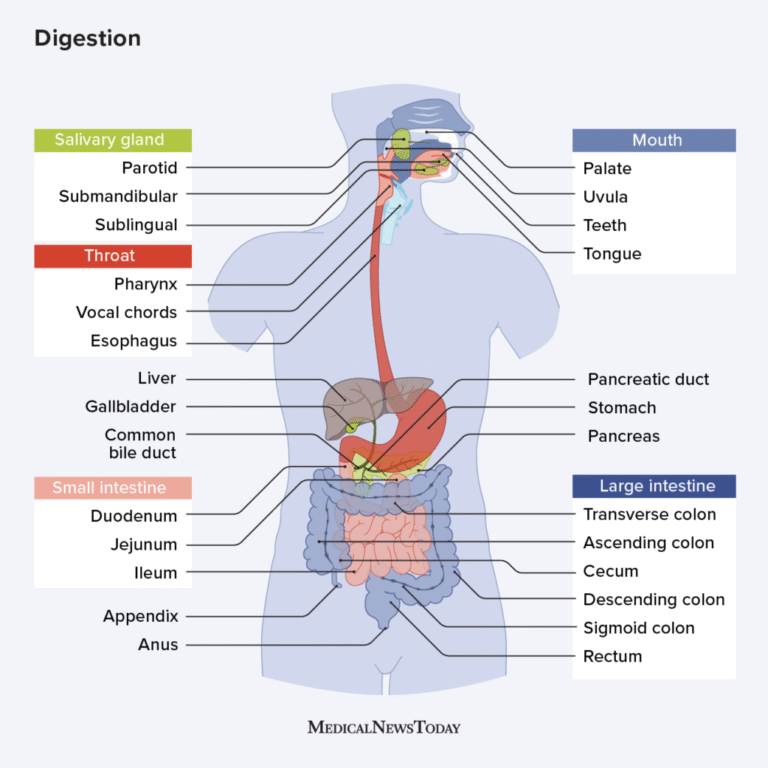
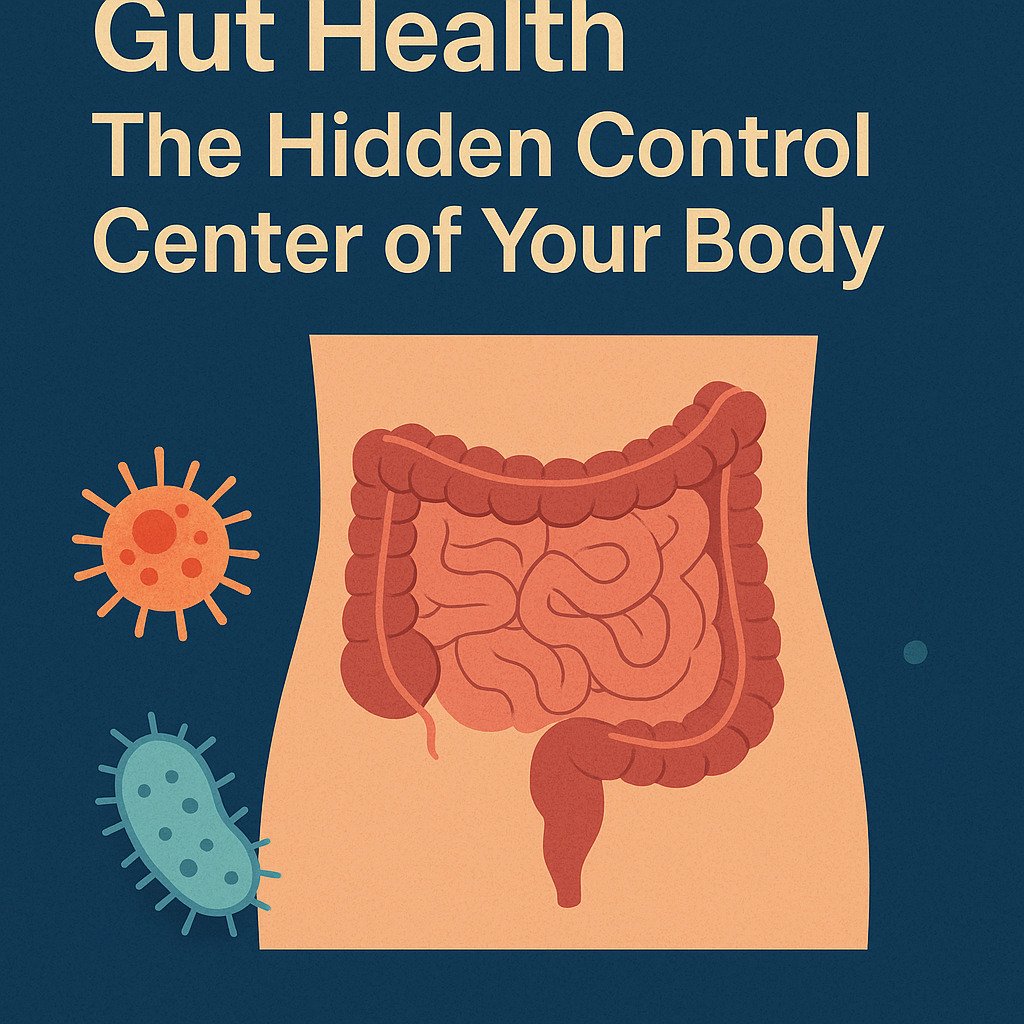
Your gut is designed like a master chef’s kitchen:
The stomach breaks down ingredients.
The small intestine extracts nutrients like a skilled prep team.
The large intestine recycles water and nurtures beneficial microbes.
Every section has a role, finely tuned over millions of years. When one part malfunctions, the entire kitchen suffers.
Think of your gut as the world’s most efficient kitchen. The “counters” (that’s your stomach and intestines) are perfectly arranged for chopping, mixing, and absorbing nutrients. The walls are lined with tiny villi and microvilli — like millions of little fingers — grabbing every bit of goodness from your food.
Its “workflow” is flawless too: peristaltic waves gently move your food along, while enzymes, stomach acids, and good bacteria play their parts like a well-trained culinary team.
The Gut’s Second Brain: Yes, It Thinks for Itself
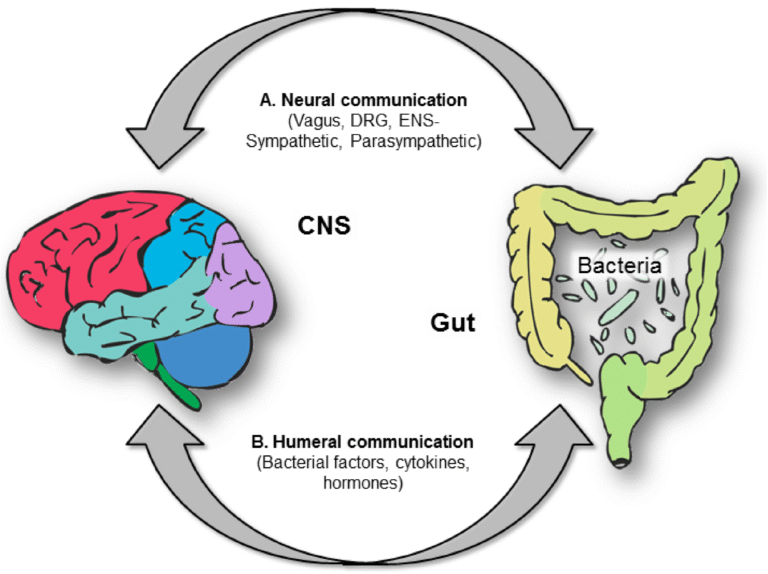
Surprisingly, your gut contains over 500 million neurons — more than some animals have in their brains. This “enteric nervous system” can:
Move food independently
Trigger emotions
Regulate appetite
Signal danger
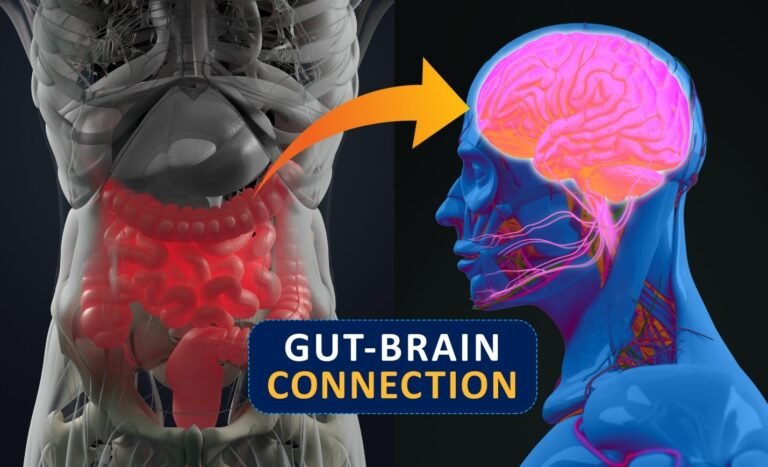
It doesn’t just communicate with the brain — it negotiates.
👉Gut–Brain Connection (Neuroscience & Medical Journals)
❌ Myth: All bacteria are harmful ✔ Truth: Most gut bacteria are essential for survival
❌ Myth: Probiotics alone fix everything ✔ Truth: They help, but diet matters even more
❌ Myth: Gut issues are purely digestive ✔ Truth: They affect immunity, mood, and metabolism
Final Word: Your Gut Deserves a Little Love
Your gut works non-stop, 24/7, shaping your health from the inside out. A little care goes a long way—your mood, immunity, energy, and longevity all depend on it.
Conclusion
Your gut is not simply a digestive organ; it is your body’s most underrated powerhouse. By understanding and supporting your gut, you are investing in your physical, mental, and emotional well-being. Treat it with respect, nourish it wisely, and it will reward you with a healthier, happier life. 👉“Understanding Heart Transplants: Science, Challenges, and the Road to Saving Lives”