Dinesh Joshi

Hi, I’m Dinesh Joshi, an imaginative and experienced content writer with over 36 years of diverse experience in the Pharmaceutical, Steel, and Oil & Gas sectors. My writing is enriched by a deep understanding of these industries and a scientific background, ensuring accurate and highly relevant content for your audience. I possess Blogging, Content Strategy, Creative Writing, and Web Content Writing expertise.

Crude Refining & Processing

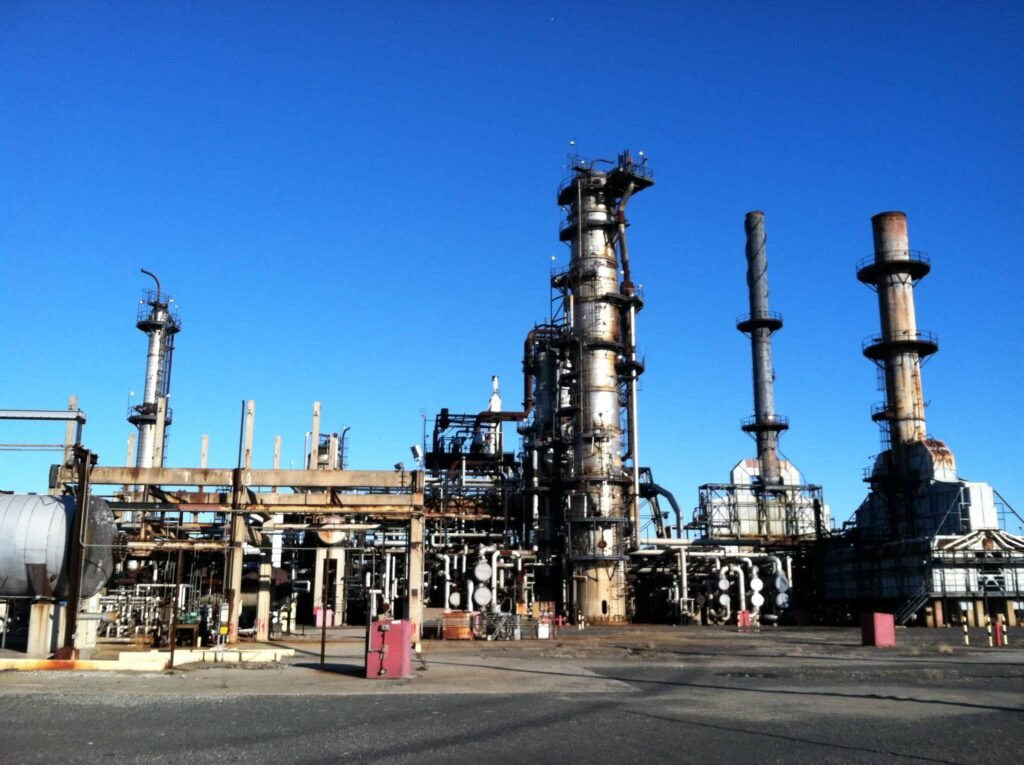
Discover everything about oil refineries in India – history, refining process, public & private players, total capacity, and the world’s largest refinery. Oil refineries form the backbone of India’s energy sector. They transform raw crude oil into everyday fuels and products that keep the country moving — from the petrol in your car to the LPG in your kitchen. With a mix of history, scale, and global importance, India’s refining industry is both fascinating and vital. Let’s explore how it works and what makes it unique. 1. What is an Oil Refinery?  Understanding the role of refineries in India’s energy sector An oil refinery is essentially a giant conversion plant. It takes crude oil — a thick, dark liquid pulled from beneath the earth — and breaks it down into usable products like petrol, diesel, kerosene, aviation turbine fuel, and even lubricants. Think of it as a “filtering house” that transforms raw material into multiple forms of energy and products we depend on daily. 2. What is Crude Oil? The raw material that powers refineries Crude oil is a naturally occurring fossil fuel made up of hydrocarbons, sulfur, nitrogen, oxygen, and traces of metals. Crude oil is often called “black gold”. It is extracted from underground reservoirs and serves as the primary raw material for producing fuels like petrol, diesel, LPG, aviation fuel, and petrochemicals used in plastics, fertilizers, and more. On its own, crude has limited use. It is only after refining that it becomes the fuel that powers cars, airplanes, industries, and homes. 3. Types of Crude Oil Once crude oil is extracted, it can vary widely in physical properties, composition, and quality. Understanding these types is crucial because they determine refining processes and the kinds of products that can be obtained. Light Crude Oil Contains a higher proportion of light hydrocarbons (like gasoline and naphtha). Flows easily and has lower viscosity. Easier and cheaper to refine. Example: Brent Crude (North Sea), West Texas Intermediate (WTI). Medium Crude Oil Balanced composition of light and heavy hydrocarbons. Requires moderate refining effort. Example: Bonny Light (Nigeria). Heavy Crude Oil Contains more long-chain hydrocarbons; higher viscosity and density. Harder to pump and refine; yields more residual fuel oils. Example: Maya (Mexico), Western Canadian Select (Canada). Extra Heavy Crude Oil / Bitumen Extremely dense and viscous; often needs heating or dilution for transport. Mainly used for producing asphalt, heavy fuels, or synthetic crude after upgrading. Example: Orinoco Belt (Venezuela), Athabasca Oil Sands (Canada). Sweet vs. Sour Crude Sweet Crude: Low sulfur content (<0.5% sulfur). Easier to refine and produces cleaner fuels. Sour Crude: High sulfur content (>0.5% sulfur). Requires additional desulfurisation during refining to meet environmental standards 4. The Process of Oil Refining and Distillation How crude oil is transformed into usable products The heart of refining lies in fractional distillation: Crude oil is first heated in a furnace. As it vaporizes, it enters a tall column where temperatures vary from bottom to top. Different components condense at different levels — lighter products like LPG and petrol rise to the top, while heavier ones like diesel, lubricants, and bitumen settle at lower levels. This is just the first step. Advanced processes such as cracking, reforming, and blending further refine the fractions to improve quality and efficiency. 5. How Many Oil Refineries are in India? Total number of refineries across sectors India currently operates 23 oil refineries. Of these, 18 are in the public sector, 3 in the private sector, and 2 are in the joint sector. Together, they make India a refining powerhouse in Asia. 6. The Oldest Oil Refinery in India  Digboi Refinery – India’s first step in refining history  India’s oil refining story began in 1901 with the Digboi Refinery in Assam. Often called the “Oil City of Assam,” Digboi is not only India’s first refinery but also one of the oldest operating refineries in the world. 7. Major government-owned companies and their contribution The public sector dominates refining in India, driven by major state-run giants such as: Indian Oil Corporation Limited (IOCL) Bharat Petroleum Corporation Limited (BPCL) Hindustan Petroleum Corporation Limited (HPCL) ONGC (via Mangalore Refinery and Petrochemicals Limited) These companies account for the majority of refining capacity and ensure energy security across the nation. 8. Oil Refineries in the Private Sector  How private players like Reliance and Nayara changed the game Private companies also play a major role, especially in terms of scale: Reliance Industries Limited (RIL) – Runs the Jamnagar refinery complex, the largest in the world. Nayara Energy – Operates a major refinery at Vadinar, Gujarat. These players have placed India on the global refining map with massive export capacities. 9. Oil Refineries in the Joint Sector Collaboration between public and private entities  Joint sector refineries emerged as collaborations between government entities and private or foreign partners. Examples include: Numaligarh Refinery Limited (NRL) in Assam. MRPL (Mangalore Refinery and Petrochemicals Limited), which began as a joint venture and later became an ONGC subsidiary 10. Refinery-wise Capacity in India A breakdown of refining capacities across companies  Refining capacity varies widely across facilities: Reliance Jamnagar Complex – ~68 million metric tonnes per annum (MMTPA) Nayara Energy, Vadinar – ~20 MMTPA IOCL Refineries (Panipat, Mathura, Paradip, Haldia, Barauni, etc.) – Combined ~70+ MMTPA BPCL Refineries (Mumbai, Kochi, Bina) – ~35 MMTPA HPCL Refineries (Mumbai, Visakhapatnam) – ~20 MMTPA Other refineries (MRPL, CPCL, NRL, etc.) – Significant regional contributors. 11. India’s Total Refining Capacity Where India stands globally in oil refining Together, India’s refineries boast a capacity of around 254 MMTPA. This makes India the second-largest refiner in Asia (after China) and the fourth-largest globally. 12. The Largest Oil Refinery in India Jamnagar Refinery – India’s crown jewel and global leader  The crown jewel of India’s refining industry is the Reliance Jamnagar Refinery Complex in Gujarat. With a capacity of 68 MMTPA, it holds the title of the largest refinery in the world, producing fuels not only for domestic use but also for export markets across Asia, Africa, and

Crude Refining & Processing Read More »

Oil & Gas Sector

“From exploration to everyday energy – fueling India’s growth.” The Oil & Gas Industry section provides a structured overview of the entire value chain, highlighting how energy moves from beneath the earth to our daily lives. The presentation is organized into four key areas: Crude Exploration & Production  – The search for and development of oil and natural gas reserves, both onshore and offshore. Crude Refining & Processing – Converting crude oil and natural gas into usable fuels through advanced refining and processing technologies. Petroleum Products –Retail & Distribution – Delivering energy to end-users through petrol, diesel, LPG, CNG, and specialized fuel products. Lubricants & Specialty Products – Manufacturing and supplying high-performance lubricants and specialty oils that power engines, industries, and infrastructure.  

Oil & Gas Sector Read More »

Books That Inspire Thought, Growth and Reflection

Introduction Reading is often presented as a lifelong habit, but in reality, many of us arrive at books later than we’d like to admit. This section grows out of that very journey — a conscious effort to read more thoughtfully and engage with ideas that challenge, inspire and inform. The Books section on WolverineSpeak.com features personal reflections on books across genres, with a particular emphasis on thought-provoking non-fiction and meaningful storytelling. Rather than formal critiques, these reviews focus on key ideas, practical insights and personal takeaways, especially from the perspective of a reader building the habit of reading. The aim is simple: to share books that resonate, connect with real life, and leave the reader with something to think about long after the final page. Reviewed Books 1.Unlocking the Power Within with Adam Grant’s ‘Hidden Potential’

Books That Inspire Thought, Growth and Reflection Read More »

From Cape Town to Delhi: The Journey of Heart Transplants

Changing the Rhythm of Life: India’s First Heart Transplant Heart Transplant The function of the heart is to supply blood to the entire body. In other words, if our body is a machine, then the heart is the pump house. There is a myth that “if life is, the heart is beating.” But this is not entirely true. Dr. Christiaan Barnard wanted to challenge this notion. On 3rd December 1967, at Groote Schuur Hospital in Cape Town, South Africa, he performed the world’s first heart transplant. He took the heart from a person who was brain-dead and transplanted it into a patient whose heart had failed but whose brain was still alive. To everyone’s amazement, the new heart began pumping blood, and the patient lived for 18 days. This was nothing short of a medical revolution. In India, the first successful heart transplant was carried out much later—on 3rd August 1994, by Dr. P. Venugopal at AIIMS, New Delhi. The long delay of nearly 27 years was not due to a lack of medical skill, but because Indian law did not permit organ retrieval from a brain-dead person. Only after the Transplantation of Human Organs Act (July 1994), passed under the Narsimha Rao government, did such life-saving procedures become possible. The Donor and the Recipient – A Critical Match For a heart transplant, both the donor (the person giving the heart) and the recipient (the patient receiving it) undergo strict medical checks. Donor Evaluation:The donor must be confirmed brain-dead, usually from severe head injury or stroke, and the family must consent to organ donation. Doctors then check the heart’s strength through ECG, Echocardiography, and blood tests, and rule out infections like HIV, Hepatitis, or sepsis. Blood group compatibility is essential. Recipient Evaluation:The patient awaiting a new heart is usually in end-stage heart failure. They undergo tests like cardiac catheterization, ECHO, lung pressure assessment, and kidney/liver function tests. Importantly, blood group and HLA (tissue) matching is done, along with a crossmatch test to check if the recipient’s antibodies will attack the donor heart. Psychological readiness is also tested, as patients must commit to lifelong medication and follow-ups. Even with all this, one of the biggest challenges remains organ rejection, where the body attacks the new heart, or infections, because the patient’s immunity is suppressed after surgery. The Green Corridor – Beating the Clock A donor heart remains viable for only 4–6 hours outside the body. To overcome this challenge, hospitals and police create what is known as a Green Corridor—a special traffic-free route to transport the organ quickly from one hospital to another. This coordination can make the difference between life and death. The Bigger Challenge – Awareness While medical science has advanced, the shortage of donors remains the greatest hurdle. Many people are unaware that one organ donor can save up to 8 lives. In India, awareness campaigns are growing, but cultural hesitations and lack of understanding still limit donations. Encouraging families to pledge organs can transform thousands of lives. ✨ A heart transplant is not just a medical procedure—it is a story of science, law, society, and above all, human compassion. From Dr. Barnard’s pioneering surgery in South Africa to Dr. Venugopal’s landmark achievement in India, every transplant continues to be a miracle of life made possible by awareness, timely action, and a generous donor. Cost and Availability of Heart Transplants in India Heart transplants are among the most complex and resource-intensive surgeries in modern medicine. In India, the cost of such a procedure typically ranges between ₹20–25 lakh (approximately USD 25,000–30,000), depending on the hospital, expertise of the surgical team, post-operative care, and the duration of recovery. Additional lifelong expenses are linked to immunosuppressant drugs, which a recipient must take to prevent organ rejection. These medicines can cost anywhere between ₹10,000–15,000 per month. Currently, only a limited number of hospitals in India are equipped with the infrastructure and expertise to perform heart transplants. Leading centers include: All India Institute of Medical Sciences (AIIMS), Delhi Apollo Hospitals, Chennai & Hyderabad Fortis Hospitals, Delhi & Bangalore Narayana Health, Bangalore Sri Jayadeva Institute of Cardiovascular Sciences, Bangalore Wolverine’s Take: A heart transplant is not just a medical achievement, it is a reflection of society’s compassion. India took almost 27 years after Dr. Christian Barnard’s pioneering effort to perform its first heart transplant—not because of lack of skill, but because of legal, ethical, and social barriers. Today, while the cost and availability remain limiting factors, the real challenge is awareness. Every potential donor carries the power to save multiple lives. Until we as a society embrace organ donation, no law, no corridor, no super-specialty hospital can bridge the gap between life and loss.

From Cape Town to Delhi: The Journey of Heart Transplants Read More »

India–US Trade Ties

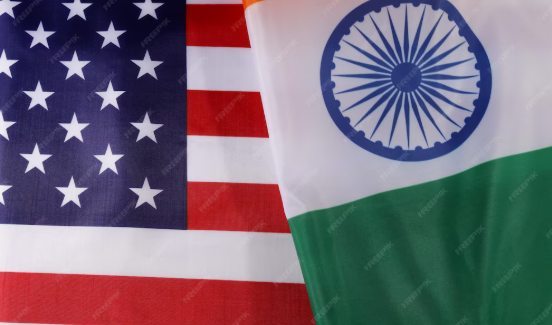
Why India–US Trade Ties Are Under Stress India–US trade relations are currently under strain, despite both nations being two of the world’s largest democracies and important economic partners. The “Trump Tariff” episode was born out of the former US President’s flagship slogan, “Make America Great Again” (MAGA). Under this doctrine, Washington imposed enhanced tariffs on imports from almost all countries, arguing that such measures were essential to revive US manufacturing, protect American jobs, and reduce trade deficits. But for partners like India, these tariffs became the opening spark for broader disagreements spanning agriculture, technology, subsidies, and geopolitics. Wolverine’s View –Why India–US Trade Ties Are Under Stress 1. Trade Imbalance – The Core Issue Bilateral trade between India and the US stands at around $135 billion. Of this, India exports about $85 billion, while imports from the US are only $50 billion. Washington perceives this $35 billion deficit as unfair and has consistently pushed New Delhi to reduce it.👉 This imbalance remains the central driver behind tariff hikes, trade disputes, and tough negotiations. 2. Tariffs, Market Access & Lobbying Pressures The US has long objected to India’s high import duties, especially on automobiles, electronics, and farm products. On the other hand, India has protested Trump-era tariffs on steel and aluminum, which hurt its exports. Adding fuel to the fire are America PACs (Political Action Committees) representing powerful US corporate interests — from tech giants to agribusiness firms like Monsanto. They push Washington to demand greater access to the Indian market, pointing to restrictions on dairy, medical devices, and GM crops.👉 These lobbying pressures have played a major role in hardening the US administration’s stance. 3. Agriculture & GM Crops Agriculture remains a sensitive battleground. The US promotes genetically modified (GM) crops like Monsanto’s Bt cotton or GM soy, while India resists, citing food security, farmer livelihoods, and long-term health concerns.👉 This reflects the philosophical divide in how both countries approach food systems and rural economics. 4. WTO Rules & Subsidy Battles The WTO’s Agreement on Agriculture (AoA) restricts trade-distorting subsidies. For India, its Minimum Support Price (MSP) regime and fertilizer subsidies are non-negotiable tools to safeguard millions of small farmers. The US argues these supports distort global trade and disadvantage its agri-exports. Washington has frequently pressed India at the WTO to roll back MSP and subsidies while demanding greater entry for US dairy, poultry, and GM crops.👉 For India, conceding here is politically untenable, given that nearly half its population depends on agriculture. 5. Strategic Geopolitics, Sanctions & Defense Deals Beyond economics, geopolitics complicates trade: India’s oil imports from Russia. Its purchase of the S-400 missile defense system, which risks US sanctions under CAATSA. Divergences over China’s Belt & Road Initiative (OBOR) and BRICS strategies. 👉 Each of these tests how far the US can count on India as a strategic ally, while New Delhi insists on maintaining an independent foreign policy. 6. Russia–India–China (RIC) & RCEP Dynamics Russian President Vladimir Putin has urged deeper coordination between Russia, India, and China (RIC). Simultaneously, India has engaged with the Regional Comprehensive Economic Partnership (RCEP), a trade bloc dominated by Asian economies including China. For Washington, these alignments raise fears of India tilting toward Russia and China — the very powers the US wants it to counterbalance.👉 This balancing act by India is often read in Washington as strategic ambiguity, creating more mistrust. 7. Expansion of BRICS & the New Development Bank BRICS, initially four economies (Brazil, Russia, India, China), has expanded into a 10-nation bloc, amplifying its global voice. Its New Development Bank (NDB) is increasingly seen as an alternative to the IMF and World Bank, institutions where the US has outsized influence. From Washington’s view, this expansion and the NDB initiative threaten the Western-led financial system and even challenge the UN’s role in global development.👉 India’s proactive involvement in BRICS thus becomes yet another flashpoint. Closing Thought – Wolverine’s Take The India–US trade story is not just about tariffs and deficits; it’s about clashing priorities, power politics, and the search for strategic space. While Washington wants New Delhi as a counterweight to Beijing, India insists on playing a multi-aligned role — protecting farmers, diversifying partnerships, and expanding influence through BRICS and RIC. In this tug-of-war, trade becomes the battleground where economics, politics, and geopolitics collide. Glossary of  Terms – a reader should Know  It is pertinent to mention that reader fully understands the following key terms so that it will be easier to understand the reasons for strained ties. America PAC (Political Action Committee) Definition: In the US, PACs is a group of organizations that raise and spend money to influence elections and policymaking. They often represent industries, corporations, or lobby groups. Relevance: American PACs, particularly those backed by agri-business, pharma, and tech giants, often lobby for policies that conflict with India’s trade priorities, especially in agriculture and digital regulation. Elon Musk Definition: Billionaire entrepreneur, founder of Tesla and SpaceX, and a major player in electric vehicles, renewable energy, and AI technologies. Relevance: Musk has been vocal about entering the Indian EV market, often pressuring India to lower tariffs and provide policy support. His stance reflects broader US business demands for greater market access in India. Monsanto Definition: A former American agrochemical and seed company (now part of Bayer) known for genetically modified (GM) seeds and herbicides. Relevance: Monsanto symbolizes US pressure on India to adopt GM crops. India’s resistance to GM food crops due to farmer, health, and environmental concerns has been a sticking point in trade talks. Crony Capitalism Definition: An economic system where businesses thrive not through merit or competition but via close ties with politicians and government officials. Relevance: The US often accuses India of protecting local business groups (sometimes seen as “crony capitalism”) through trade barriers, subsidies, and preferential regulations — creating friction in negotiations. GM Crop (Genetically Modified Crop) Definition: Crops whose DNA has been altered using genetic engineering to improve yield, resistance, or durability. Relevance: The US promotes GM crops (like soy, corn,

India–US Trade Ties Read More »

Breaking International News of the Day – 23.08.2025

Headline: Russia Expels British Diplomats—Another Cold War Echo or a Warning of a New Chill? Russia has accused six British diplomats of espionage and “subversive activities” and has expelled them, escalating tensions between the two nations. ABC News+1 My Analysis / Opinion:This move isn’t just diplomatic tit‐for‐tat—it signals Moscow’s deepening distrust of the West. In an era marred by proxy wars and espionage revelations, this expulsion is less surprise than a reminder: Russia views the UK not merely as a rival, but as a persistent, ideological threat. Western capitals must ask: Is this Moscow’s way of flexing diplomatic muscle, or testing how far it can push before Western unity cracks? And for India and other nations watching carefully, it’s a live cue to re-evaluate how those big Cold War players are shaping today’s multipolar world. Wolverine’s Take:The chill between Russia and the UK is cooling—and it’s time global powers take stock before it freezes over.

Breaking International News of the Day – 23.08.2025 Read More »